Fulbright Scholar · Global Educator

Building bridges between classrooms and the world.

A Fulbright project on how schools in the Philippines support multilingual learners, and what U.S. educators can learn from a system that approaches the work differently.

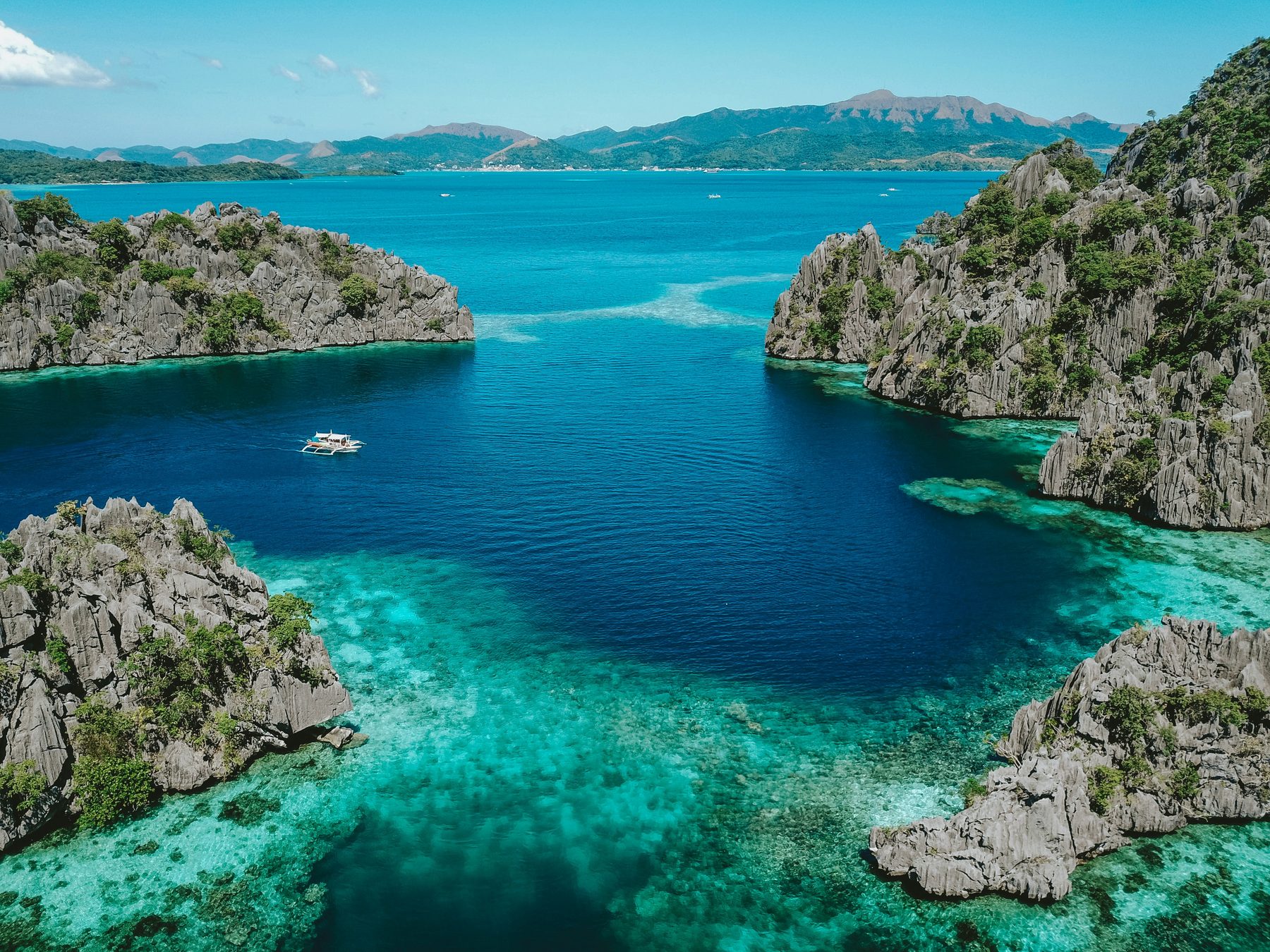
Aerial view of islands and turquoise water in the Philippines
Philippines · 2025
A starting point

Global education is rooted in the understanding that our world is deeply interconnected.

American students will spend their adult lives in a country whose economy, politics, and culture are deeply connected to the rest of the world. Global competence is the capacity to recognize that and act on it intelligently.

Curiosity does more of the work than knowledge in classrooms that take this seriously.

As the United States approaches its 250th birthday, the case for global education feels especially urgent. Programs like Fulbright exist because democracies depend on the kind of cross-cultural understanding that doesn't develop on its own.

Three ways in

Explore the resources, projects, and journey.

Three entry points, depending on whether you came for the resources, the project itself, or the field notes.

01 / Learn

Global Competence

Frameworks, key organizations, and the assessment tools I rely on in my own practice.

Browse resources →
02 / Teach

Projects & Artifacts

A unit plan, a podcast series, and papers from the Fulbright project — materials built for use in real classrooms.

View the work →
03 / Travel

Field Notes

Field notes from the Philippines on what culturally responsive teaching actually looks like, and which lessons translate.

Read the blog →
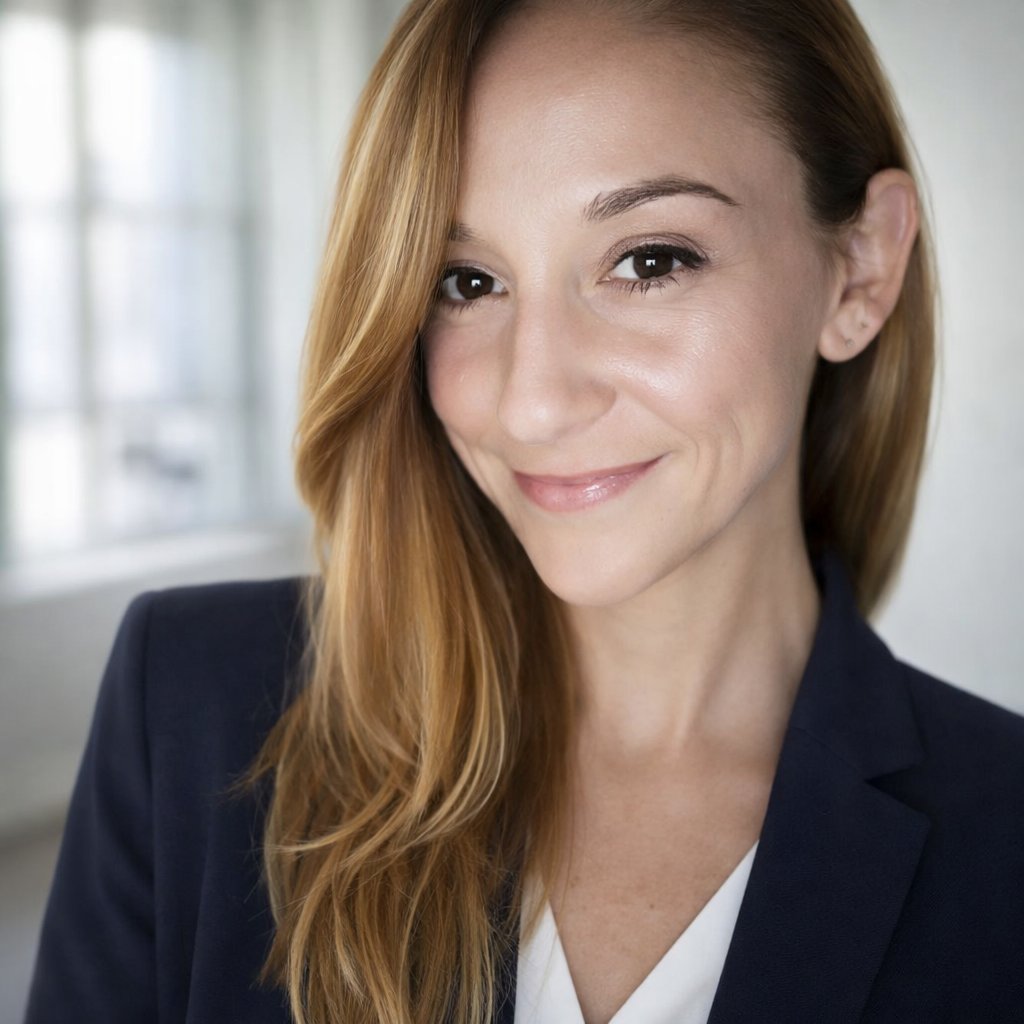
Portrait of Johna Meldau
About

An educator passionate about language, equity, and the power of global learning.

Johna teaches multilingual students in U.S. K-12 classrooms. Most of her work is literacy: building reading and writing skills in students whose first language often isn't English, without asking them to set that language aside.

Her Fulbright project takes her to the Philippines for a year to study how schools there build community through restorative practice, particularly in classrooms where multiple home languages are in use at once.

ProgramFulbright DAT
Host countryPhilippines
FocusMultilingual learners
Academic outcomes follow from the conditions of the classroom. The conditions come first.
— Johna Meldau

This website is not an official U.S. Department of State website. The views and information presented are the participant's own and do not represent the Fulbright Teachers for Global Classrooms Program, the U.S. Department of State, or IREX.