What is it?

Global competence is the ability to understand diverse perspectives, think critically, communicate effectively, and act with empathy in an interconnected world.
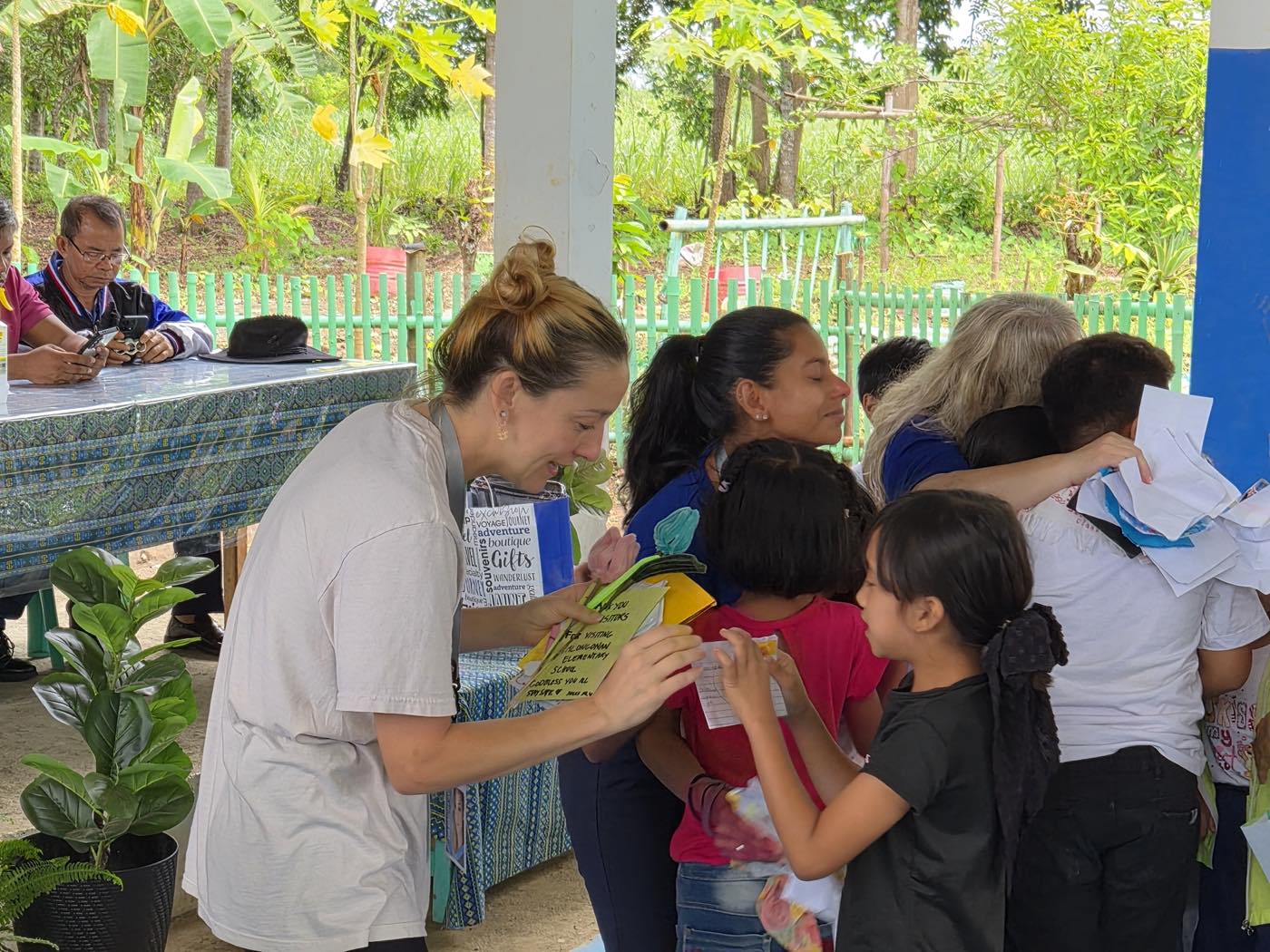
Johna Meldau reading thank-you notes handed to her by students at Talongonan Elementary School.

Students hand over thank-you notes at the end of a visit to Talongonan Elementary School.

Global competence begins with a global education approach grounded in culturally responsive teaching that reflects students' identities, experiences, and assets. Through strengths-based instruction and restorative practices, educators create inclusive learning environments that develop empathy, effective communication, and critical thinking—the essential components of global competence.

Global Education strengthens students' ability to advocate for themselves in their school communities. Native language texts, translation services, and equal access to technology help to lessen the gap in educational resources.

Students are taught to think globally, act locally, to investigate the world, and to become flexible in thinking and actions. In the classroom, this means creating opportunities for students to engage in meaningful discussions about equity and justice, from examining whether school meal options meet diverse cultural and dietary needs to exploring disparities in food access and food security around the world.

Global competence is empathy in action.
Organizations

Where to go for tools, training, and community.

A short list of organizations I'd recommend to any teacher starting this work.

Nonprofit · USA

World Savvy

Developers of the Global Competence Matrix and a useful first stop for whole-school work.

Visit site →
Program · International

Asia Society

Their Center for Global Education runs a strong certification program and the International Studies Schools Network.

Visit site →
Exchange · Federal

Fulbright Programs

Teacher and scholar exchange programs administered by the U.S. State Department. The route I took to the Philippines.

Visit site →
Research · Harvard

Project Zero

Harvard's education research group behind Visible Thinking and the Global Thinking Routines, with ready classroom tools.

Visit site →
Network · Global

iEARN

A classroom-to-classroom network in more than 140 countries. Project-based and easier to use than expected.

Visit site →
Professional · USA

NAFSA

Primarily higher-education focused, but their research is consistently strong.

Visit site →
Assessment Tools

How to measure what global learning actually does.

Four assessment tools: two for measuring student growth, two for reflecting on your own practice.

  1. 01

    Global Competence Matrix

    A rubric for assessing investigation, perspective-taking, communication, and action across grade levels.

    View →
  2. 02

    Globally Competent Teaching Continuum

    Self-assessment instrument from Tichnor-Wagner et al. for educators reflecting on twelve elements of practice.

    View →
  3. 03

    OECD PISA Global Competence Framework

    International benchmark used to assess students' readiness to engage with a global, interconnected world.

    View →
  4. 04

    ISTE Standards for Educators

    Standards for teaching practice, including the global collaborator role, with indicators you can reflect against.

    Learn more →
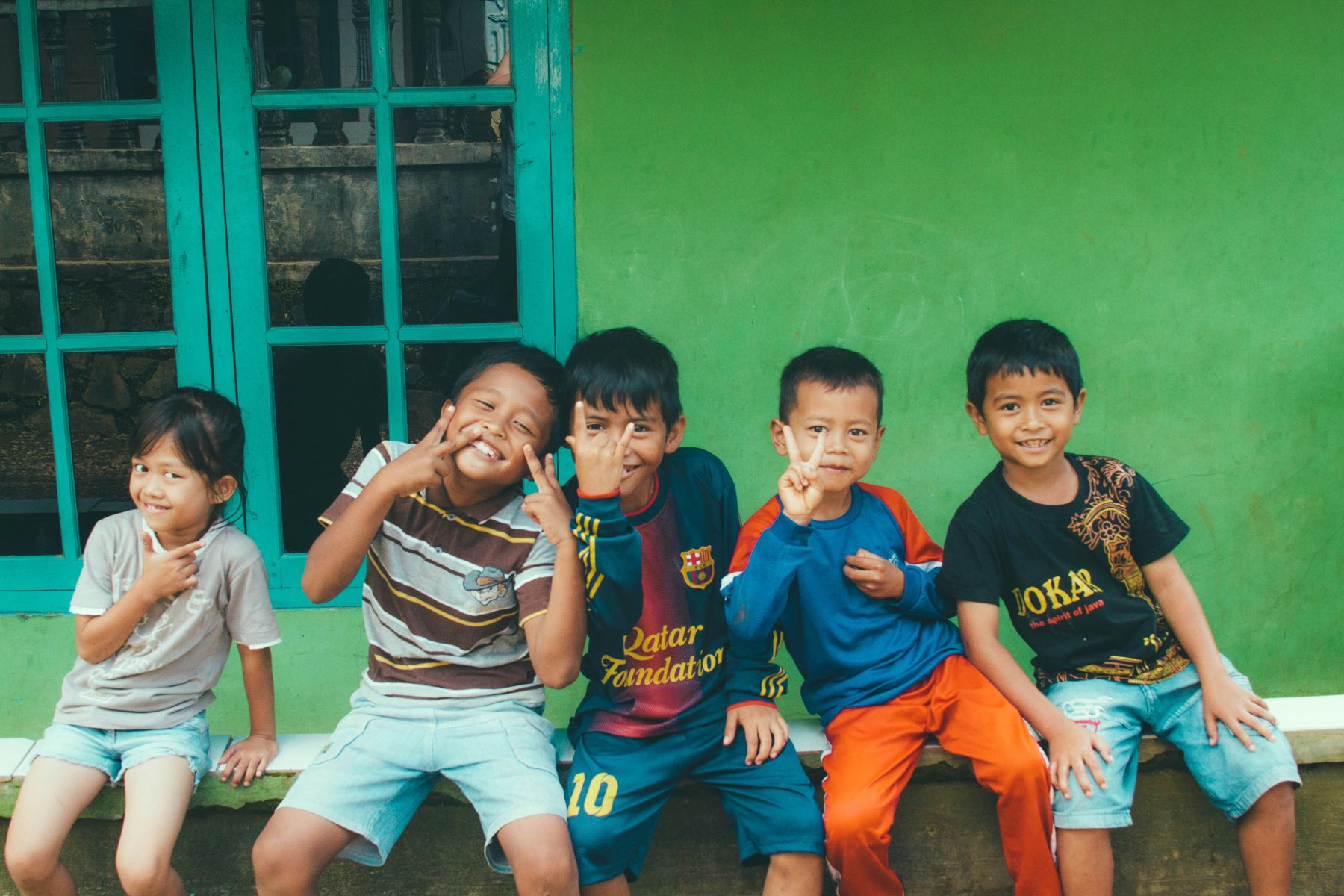
Five children sitting in a row against a bright green wall, smiling and making peace signs at the camera.
Local Organizations

Global education close to home.

Organizations promoting global education and global competency around Atlanta and Decatur, Georgia, with notes on how to actually use each one.

Professional development

Talks, panels, and sustained intercultural learning for teachers.

Membership · Atlanta

World Affairs Council of Atlanta

A non-partisan membership nonprofit that has run hundreds of talks and webinars on foreign policy and global issues since 2010.

How to use this resource
  • Send teachers to member panels and webinars as low-cost, ongoing PD on current global issues to bring into social studies or current-events units.
  • Ask directly about educator memberships or teacher-specific programming, which is not always listed on the main site.
  • Inquire about booking a guest speaker from their expert network for an assembly or classroom visit on a specific region or issue.
Visit site →
Nonprofit · Atlanta

International Education Peace Volunteers

An all-volunteer 501(c)(3) that runs free language and intercultural learning sessions around Atlanta's universities.

How to use this resource
  • Join their cross-cultural conversation groups, in person or on Zoom, to practice the listening and perspective-taking that global competence asks of teachers before they teach it.
  • Look at their free certificate program and free English, Mandarin, and Japanese classes as a low-cost route into sustained intercultural learning.
  • Serve as a Peace Volunteer, or point adult multilingual community members toward their free English classes in Atlanta.
Visit site →

Curriculum development

Grants, symposia, and university partnerships you can build a unit around.

University partnership · Atlanta

Atlanta Global Studies Center

A Georgia Tech–Georgia State partnership behind the annual Atlanta Global Studies Symposium and small K-12 teacher grants.

How to use this resource
  • As a federally funded National Resource Center, AGSC often has small grants or funded opportunities for K-12 teacher travel, training, or curriculum development in global and language competence. Check their site for a K-12 outreach or grants page.
  • Consider a teacher-team visit to their annual Global Studies Symposium for exposure to current global-studies content and cross-institution networking.
Visit site →
Consortium · Atlanta

Consortium for Global Education

An Atlanta consortium of universities that supports study abroad and international exchange in higher education.

How to use this resource
  • Most relevant for older students exploring study abroad or international coursework. CGE's member universities are a useful talking point for college and career counseling conversations.
Visit site →

Experiential and service learning

Places to take students, minutes from Decatur.

Grassroots · Decatur

Global Growers Network

A Decatur-based network connecting refugee and immigrant farmers across farm and garden sites in metro Atlanta.

How to use this resource
  • Located minutes from Decatur schools, a natural fit for field trips, service-learning days, or a standing volunteer rotation.
  • Hits "Investigate the World" and "Take Action" competencies concretely: students see multicultural agriculture and food systems firsthand rather than just reading about them.
  • Reach out about group volunteer days or classroom visits tied to a unit on food systems, immigration, or global cultures.
Visit site →
Museum · Atlanta

National Center for Civil and Human Rights

An Atlanta museum connecting civil rights history to the present through immersive exhibitions and public programs.

How to use this resource
  • A strong option for field trips, encouraging young people to take action in leading their communities in the fight for justice.
  • Offers credible resources on historical events, letting students dive into history, learn about the changemakers, and identify where and how they can advocate for change.
  • The museum offers discounted tickets for schools.
Visit site →
Grassroots · Clarkston

Refugee Women's Network

A Clarkston organization helping refugee women regain self-sufficiency and become leaders in their communities.

How to use this resource
  • Contact them about volunteer opportunities in ESL tutoring, photography, cooking, childcare, transportation, or interpretation.
  • Explore the local-to-global dynamic in your own community, as this group brings together women from around the world to share their skills and talents and lift one another up in a new home.
Visit site →
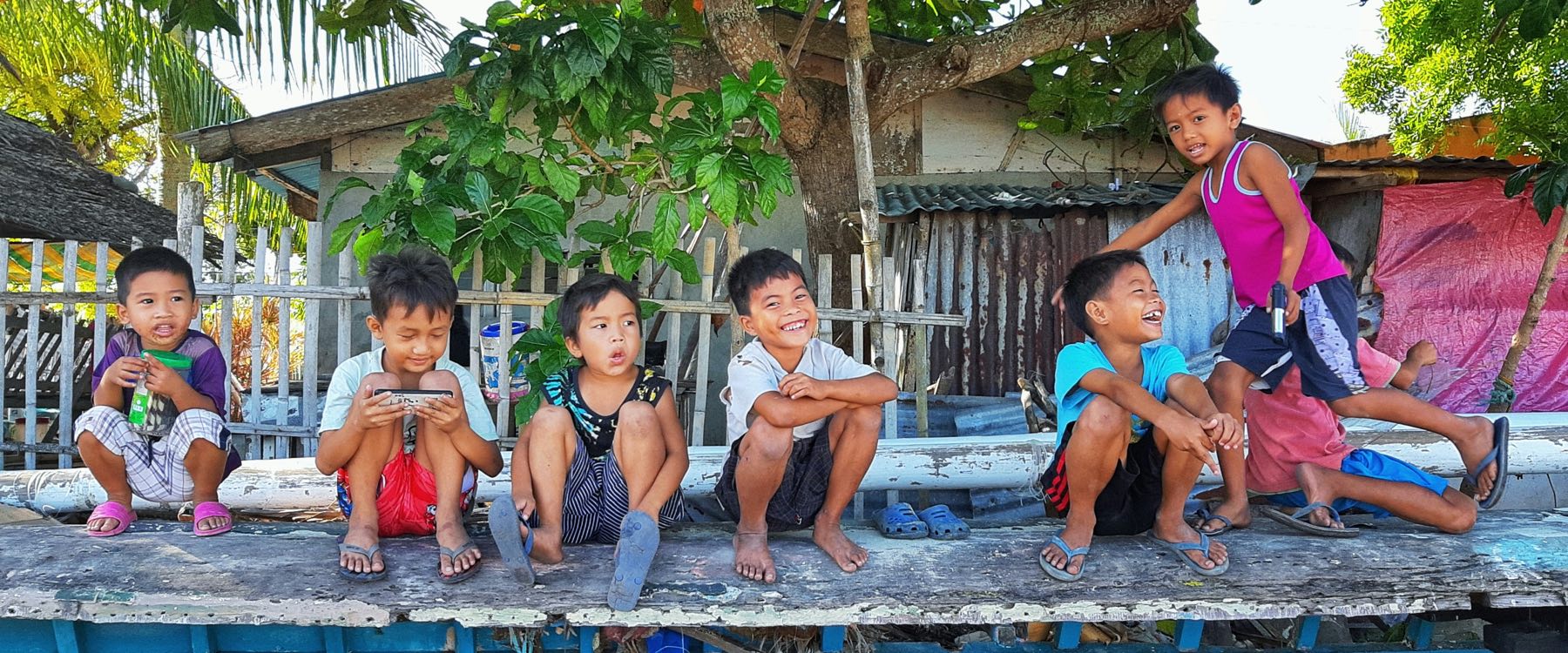
Seven children sitting in a row along a plank beside a boat, under a tree.
Additional Background

Further reading, listening, and watching.

A short list of reading, listening, and programs worth your time. If you only have time for one, read the OECD framework in the assessment tools above.

This website is not an official U.S. Department of State website. The views and information presented are the participant's own and do not represent the Fulbright Teachers for Global Classrooms Program, the U.S. Department of State, or IREX.