Focusing on the Youth as the Developers of the Nation
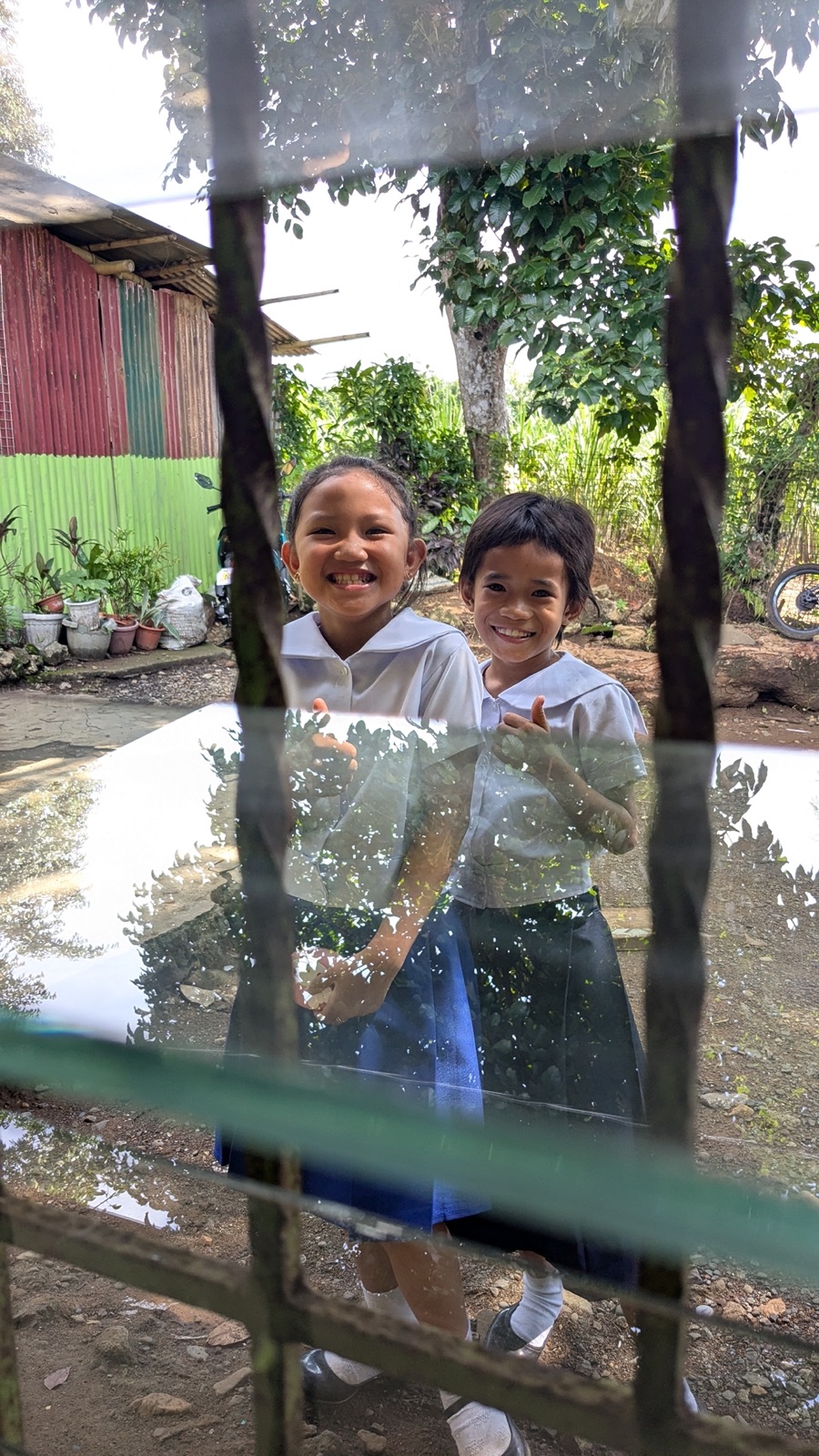
As both nations face the future, we must accept one truth: change is inevitable. Society, the economy, jobs, and technology all shape the way we interact with one another. In the U.S. and the Philippines, we see a growing desire to implement AI in schools. In most discussions with other educators, there is resistance to the implementation of AI in schools. How can we possibly interact with a system we know so little about? How can we push young minds to use technology before we fully understand its effects on developing brains?
In the Philippines, however, I listened while teachers explained how much time AI saved them when it came to lesson planning and preparation. I heard the relief in their voices when they spoke of having access to information and tools to help create teaching materials. With class sizes ranging from 25–50 students, I can imagine that AI would provide some relief in lesson planning.
So, here's my first observation: when we focus on the youth as developers of a nation, it is our role, and maybe our responsibility, to provide them with access to technology despite our personal opinions on it. But we must do this with fidelity and care. Students are better served when teachers are rested, prepared, and given the tools needed to help them do their jobs better. We serve the youth when we serve ourselves.
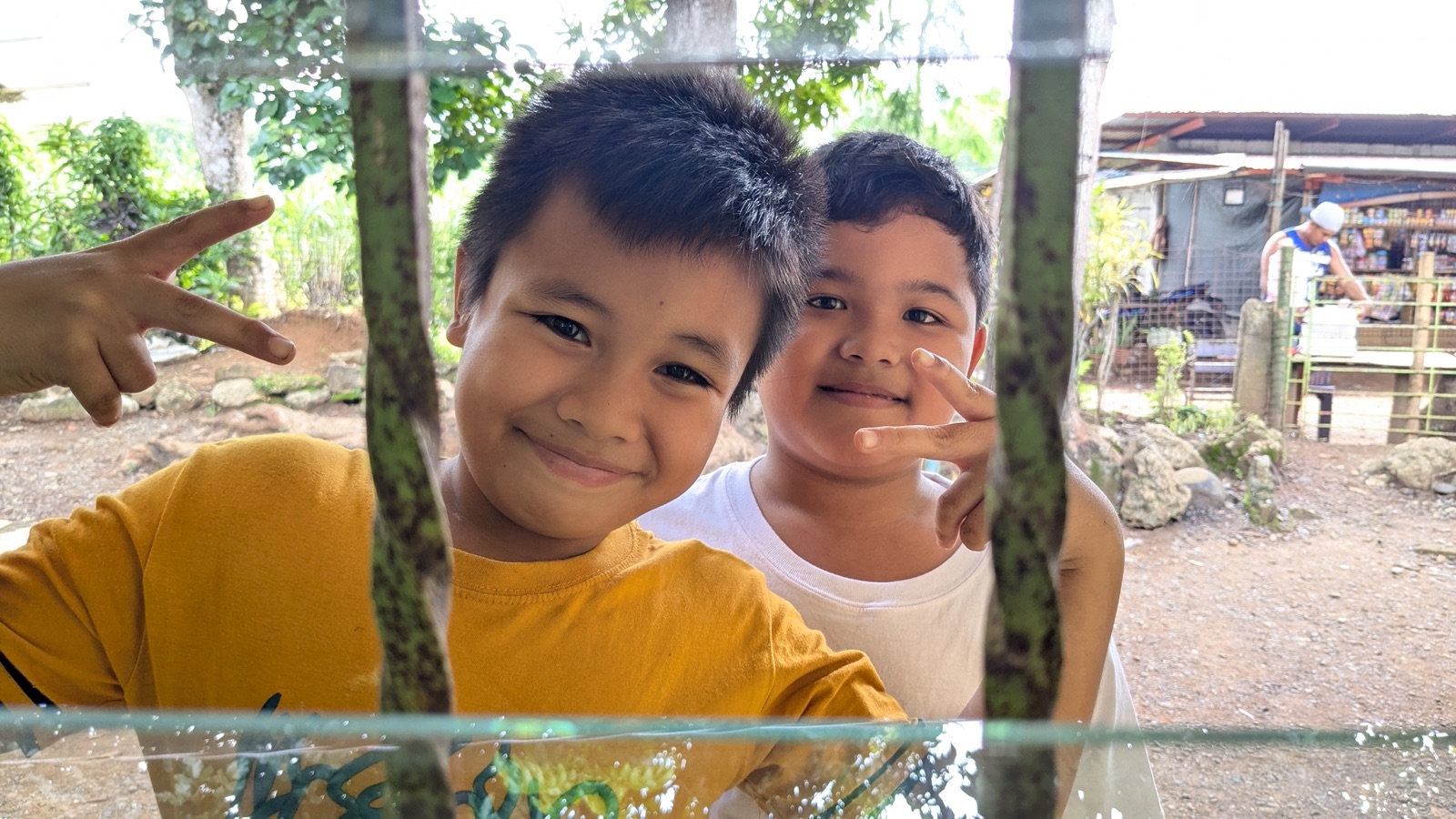
The use of technological advancements is not the only way to serve our young students, but so is creating systems that serve their interests and skills. Adapting curriculum and allowing students agency in their learning environment are ways to support young learners. As I mentioned in a previous post, the Ramon Adriano R. Orozco Farm School (RAROFS) is a perfect example of an adapted curriculum serving the interests of its local community members.
Students can choose to leave a traditional high school to attend RAROFS, where they will receive academic credit and graduate with a high school diploma despite the focus on agriculture and farming rather than typical academic topics. This empowers the youth to continue developing economic systems that are already working and available in their communities while modernizing these systems as the students learn.
This summarizes my second observation: empowering a younger generation doesn't necessarily mean reinventing the wheel, but rather finding what works and improving it by investing in it.
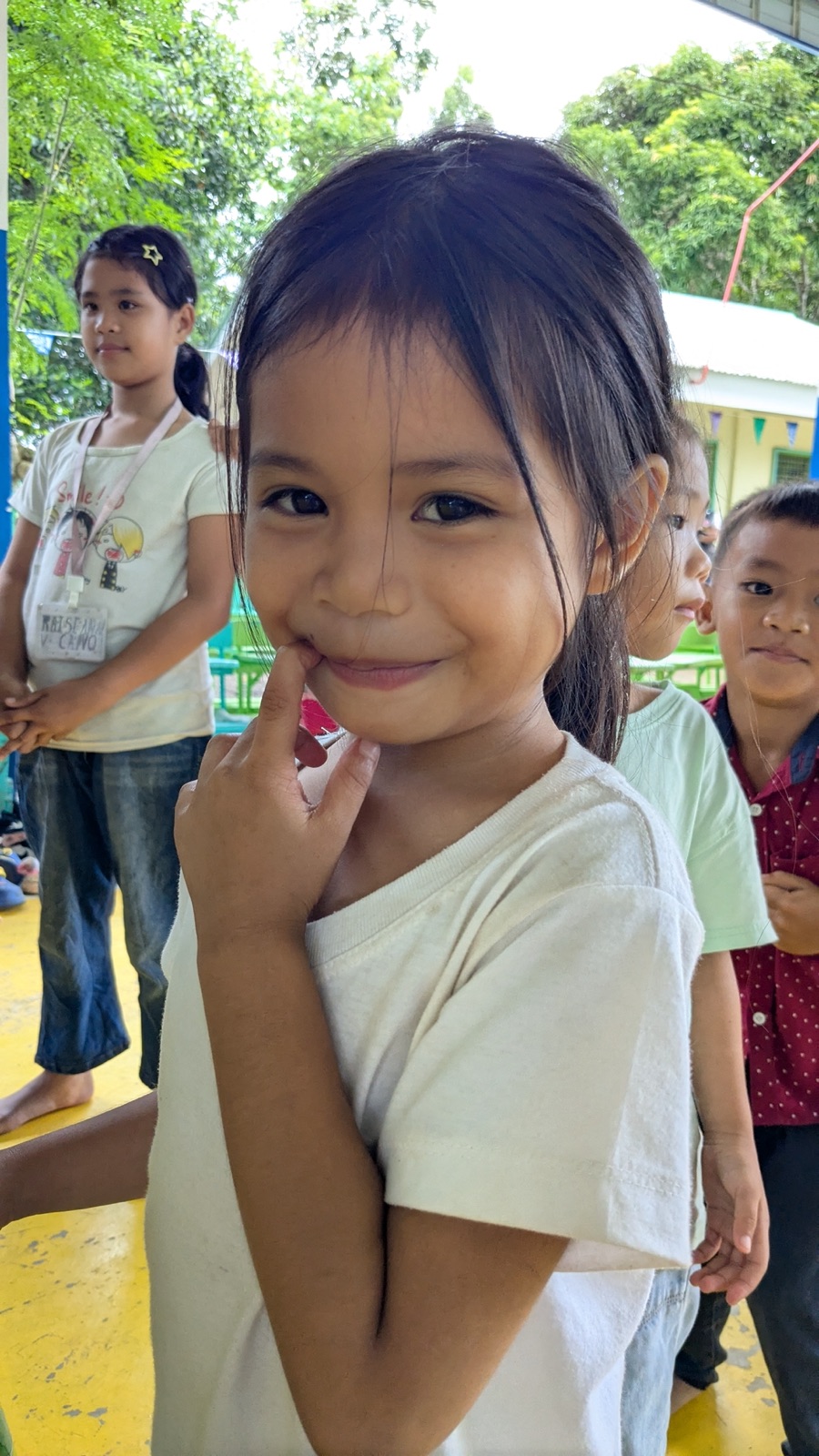
Lastly, my third observation: I watched in awe as many organizations—people, really—took measures to support those in need. In previous posts, I mentioned the incredible work of the AHA Learning Center in Manila, but I also want to highlight the work of the Cameleon Foundation in Passi City.
This nonprofit serves young women who were victims of sex trafficking and sexual violence. They offer the girls a place to live, learn life skills, and receive academic tutoring. Their mission is to support these young women and reintegrate them into their communities better equipped to succeed in life while they escape their abusers.
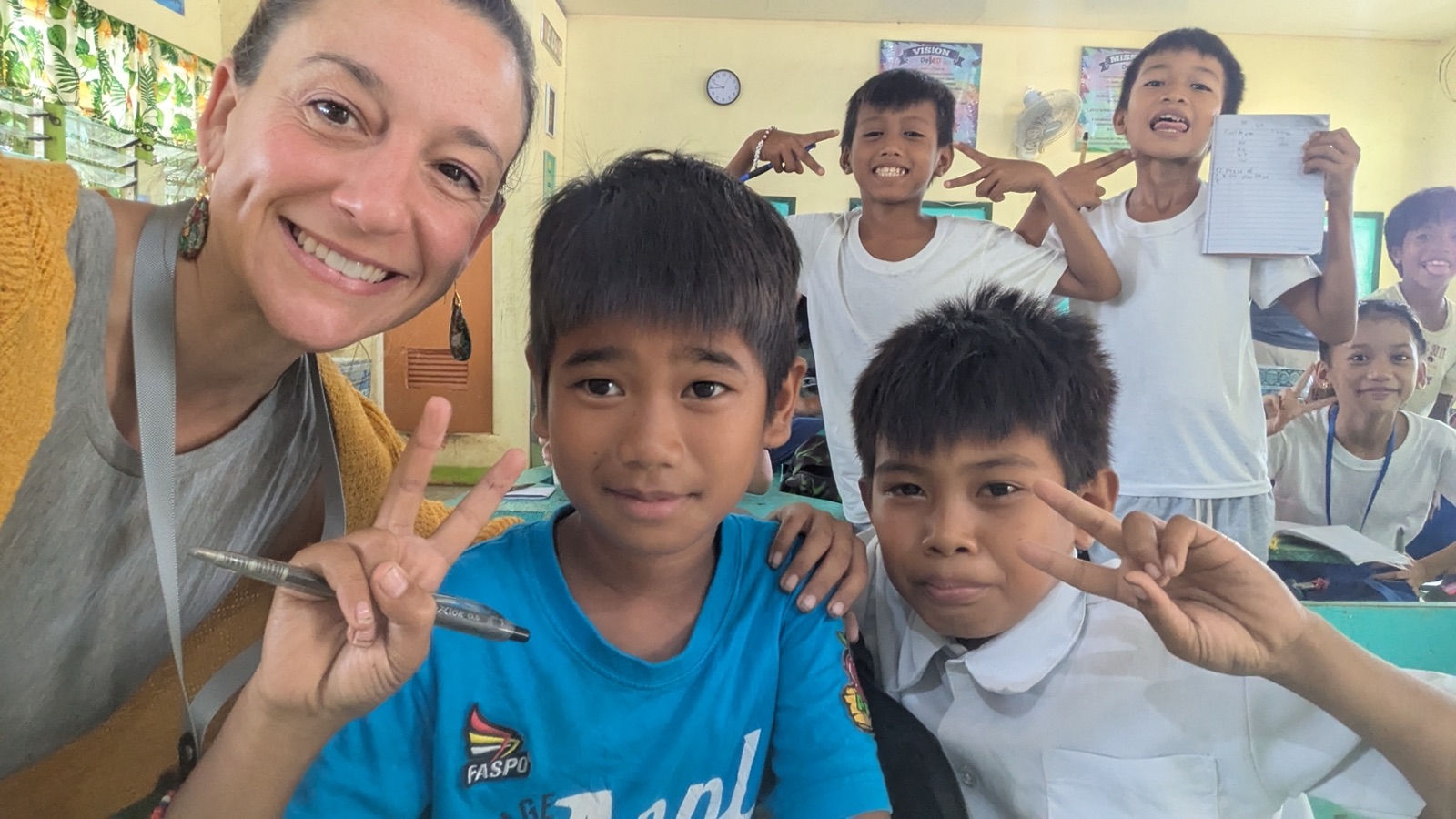
When we invest in young people, especially those who have been marginalized or harmed, we aren't simply helping individuals; we are investing in the future of the entire community. By caring for and supporting our most vulnerable, we create a future where all members of society are free to heal, repair, grow, and learn.