There's a Lot to Celebrate and a Lot to Learn
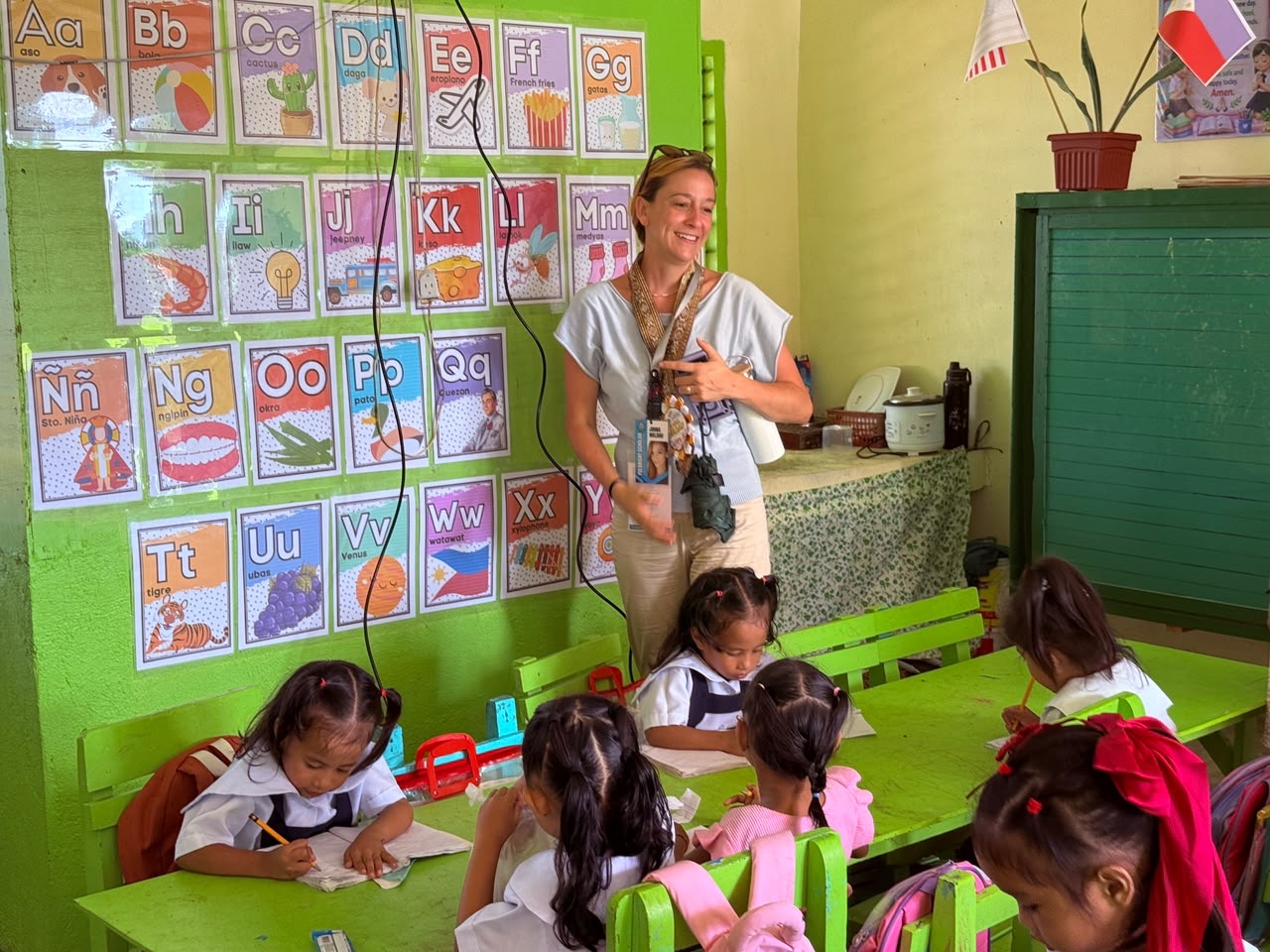
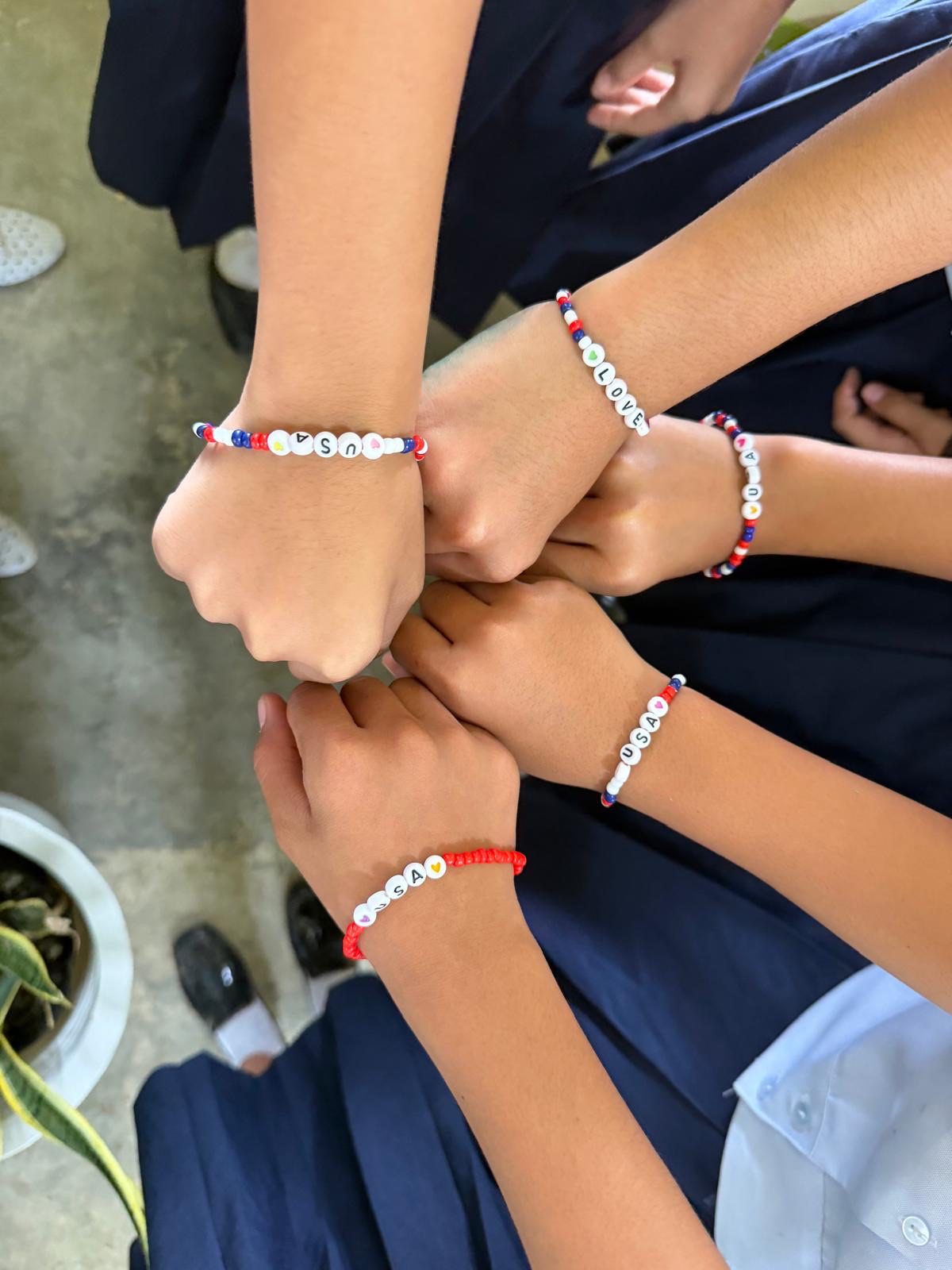
There are many milestones to celebrate this year. It is the 250th birthday of the USA, a significant milestone in the journey of a nation. On a global scale, we are relatively young, maybe in our teenage years of being a unified nation. Despite the current political state, I strongly believe that we are always working towards creating a more perfect union, that the ebb and flow of human behavior will ultimately ebb towards decency and good, cooperation and compassion. The latter two may have had some influence on the fact that we are also celebrating 80 years of friendship between the Philippines and the USA. Our diplomatic relations have withstood decades of change. The educational sector of the Philippines is based on an American educational system. As we reflect on who we are as a nation after 250 years, I pause here to reflect on what we can learn and maybe what we can change after 80 years of friendship with the Philippines.
One teaching approach I encountered frequently in the Philippines was "I do, we do, you do." This is an explicit way of teaching. It calls for memorization, call and response, teacher-centered instruction, and leaves little room for deviation from the path, even if there is a need for differentiation or linguistic adaptations.
Most of the challenges I heard relayed by Filipino teachers were the need for better training, instruction, and diagnosis of Special Education needs. This was a constant theme from the big cities to smaller, more rural communities. It was on the minds of most of the educators we spoke to throughout our two-week stay. I observed one area for improvement (probably for most educators, not just in the Philippines) is the training and use of modifications and accommodations in learning, instruction, and learning targets. Differentiation of materials and how a content class is taught is an area that is behind in the Philippines. I repeatedly observed a teacher-centered approach and large class sizes with limited resources as real challenges to creating change. But with some useful tips and PD sessions providing actionable steps towards inclusive education, we can see growth in these areas. We've already seen Filipino teachers do so much with so little. I mention their resourcefulness in another blog entry. I am confident that online training sessions and increased access to tools for teachers will make a difference in the classroom.
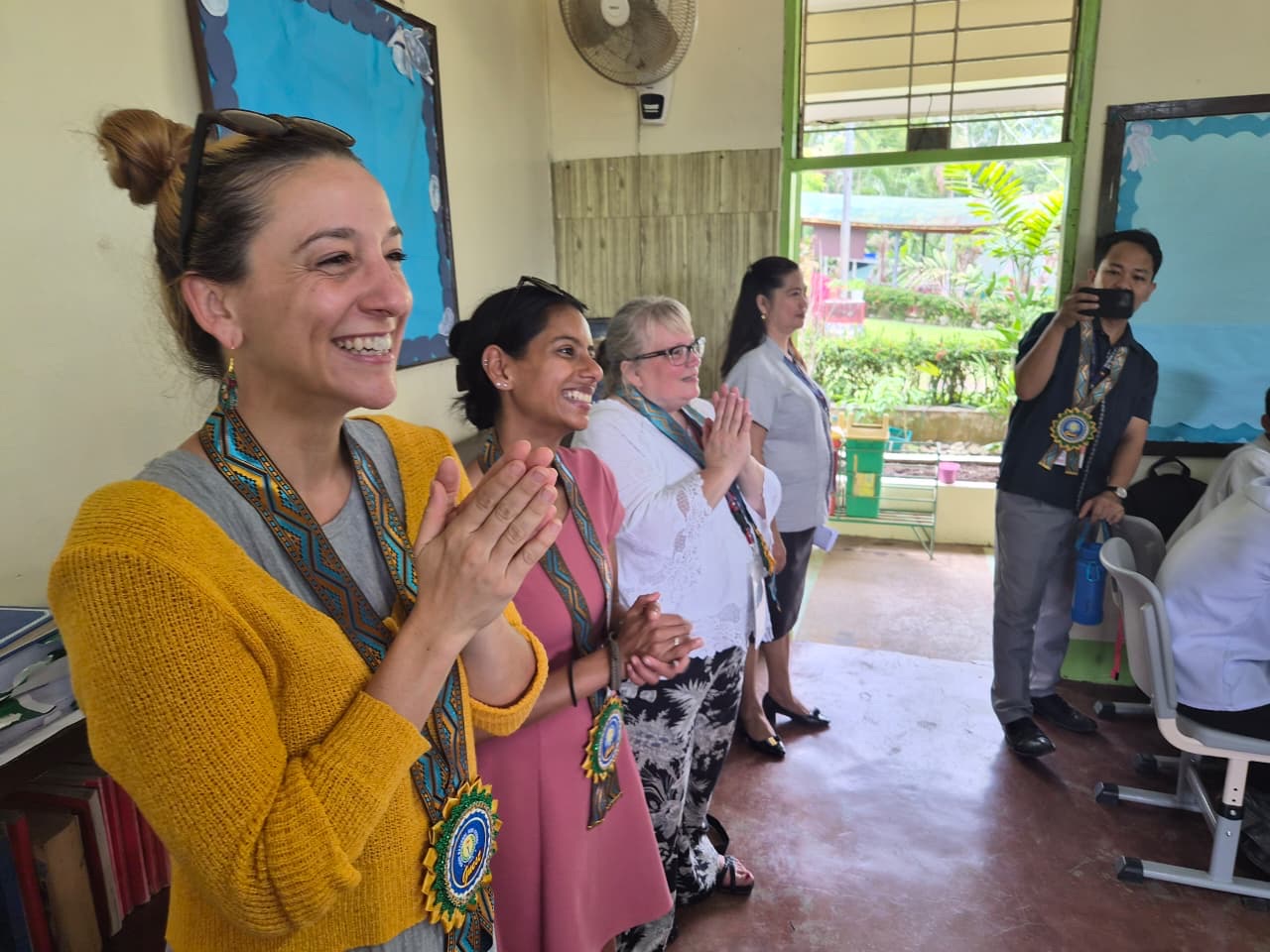
We can also move away from a teacher-centered classroom. Students need active participation in learning. Movement, tactile activities, experiential learning opportunities, project-based learning, and multilingual classrooms have been proven to develop the whole child, not just their cognitive development. During my field experience, I was blown away by the willingness and openness of the Filipino teachers and the members of the Department of Education. Every person was willing to learn from us and open to hearing suggestions for instructional methods.
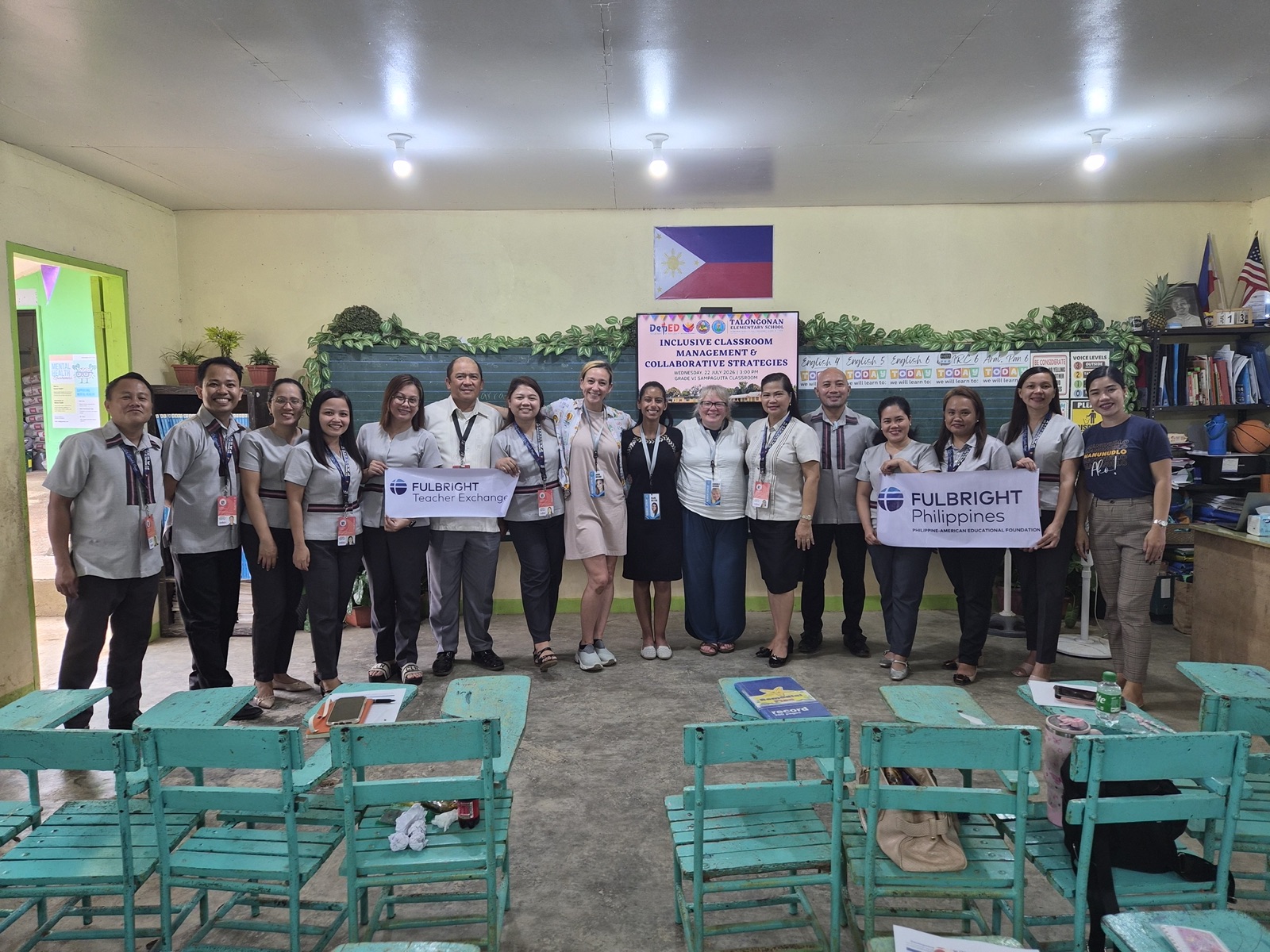
During our professional development session for teachers at Talongonan, we discussed inclusive teaching strategies and classroom management. This session was an eye-opener for both groups. We each walked away with lasting impressions on how to serve our students. After conducting our own lessons for students at Talongonan ES, the teachers commented about needing to implement more active learning in their lessons. They noted the personable approach to teaching while observing each one of us, the American Fulbrighters, leaning down next to the child and taking time with individual students. They commented on our high energy and fun lesson activities, making the content more meaningful and engaging.
I learned from my Filipino host, fellow educators, and students the value and tact of soft-spokenness. I observed the role of respect in the classroom and how it leads to an overall respect for education. Students look up to their teachers, parents value the teachers, and the community upholds educators as highly respected members of society. This is different from what I observe and hear in communities in the US, and is one area where we can learn from Filipino culture.
I repeatedly saw the role of the environment and its impact on learning. From heavy rains causing classes to be cancelled to wet notebooks, their only notebook, being ruined as the students walk home through muddy, rainy pineapple fields. Respecting the environment by recognizing its power and influence over access to education breeds a need for caring for your environment, makakalikasan. This is one of the four pillars of Filipino educational values. Makakalikasan is showing care, protection, and respect for the environment and nature.
Again, I see how the educational values in the Philippines develop, uplift, and engage a community.