Getting Into "Good Trouble": Lessons from Atlanta to the Philippines
Living in Atlanta, you often hear the famous quote, "get in good trouble," by Congressman John Lewis. This quote follows me into the classroom; it pushes me to challenge the status quo and encourages me to stand for justice. As an educator, I am a part of developing young people's minds. How I interpret and express information matters just as much as the information I choose (or am required) to teach. Nowadays, that can be a touchy subject, but getting into good trouble in the classroom means speaking up when things are not right, having the resourcefulness to imagine new and different possibilities, and having the courage to take action toward that future.
Several years ago, I walked beside Congressman Lewis during the March for Social Justice in Atlanta. I remember the feeling of awe as I stood beside a man who had dedicated his life to social justice. John Lewis marched with Martin Luther King Jr. and stood at the forefront of historic moments in our country. As an educator, a member of the Atlanta community, and an advocate for my students' rights, I was profoundly moved.
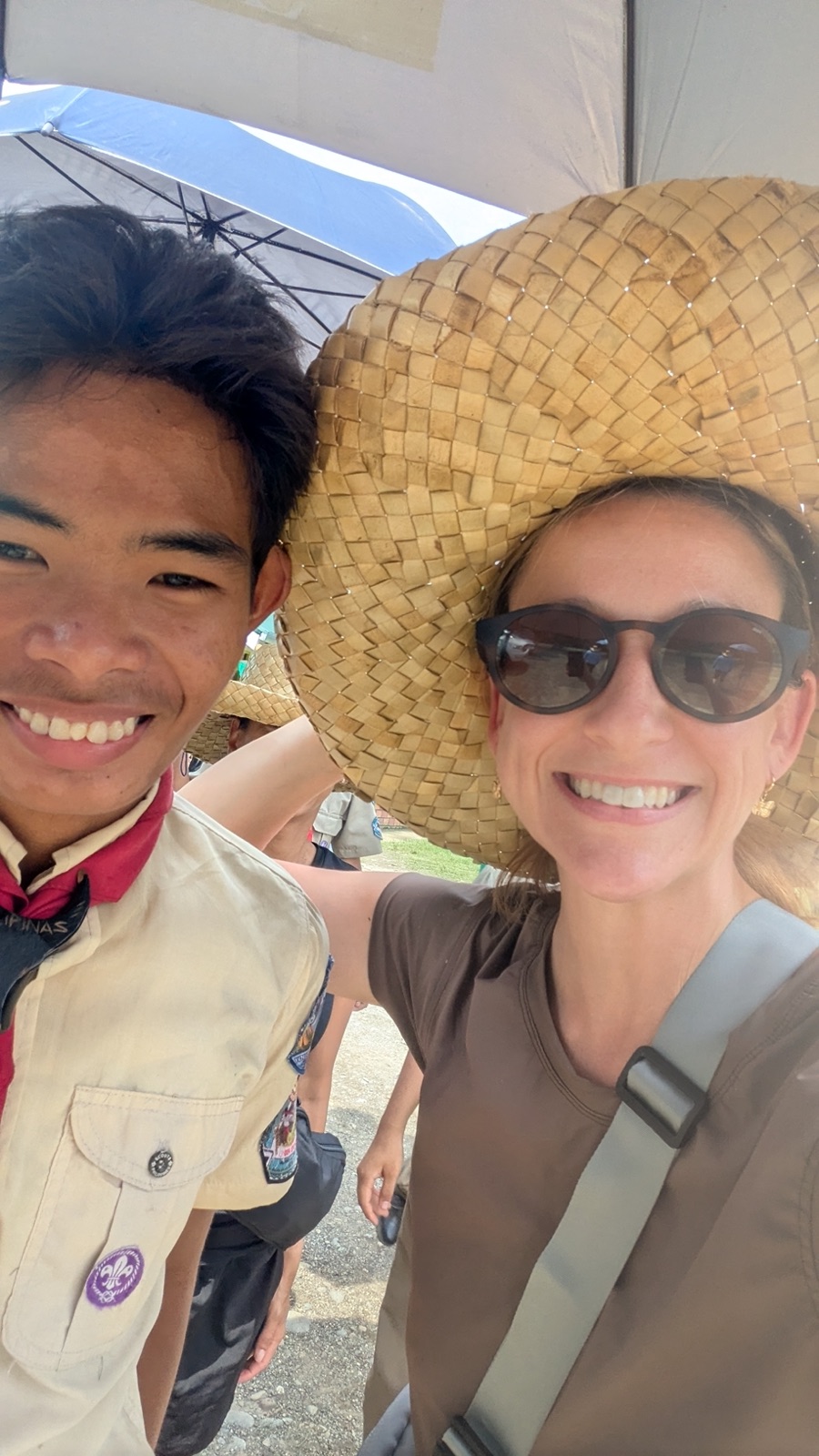
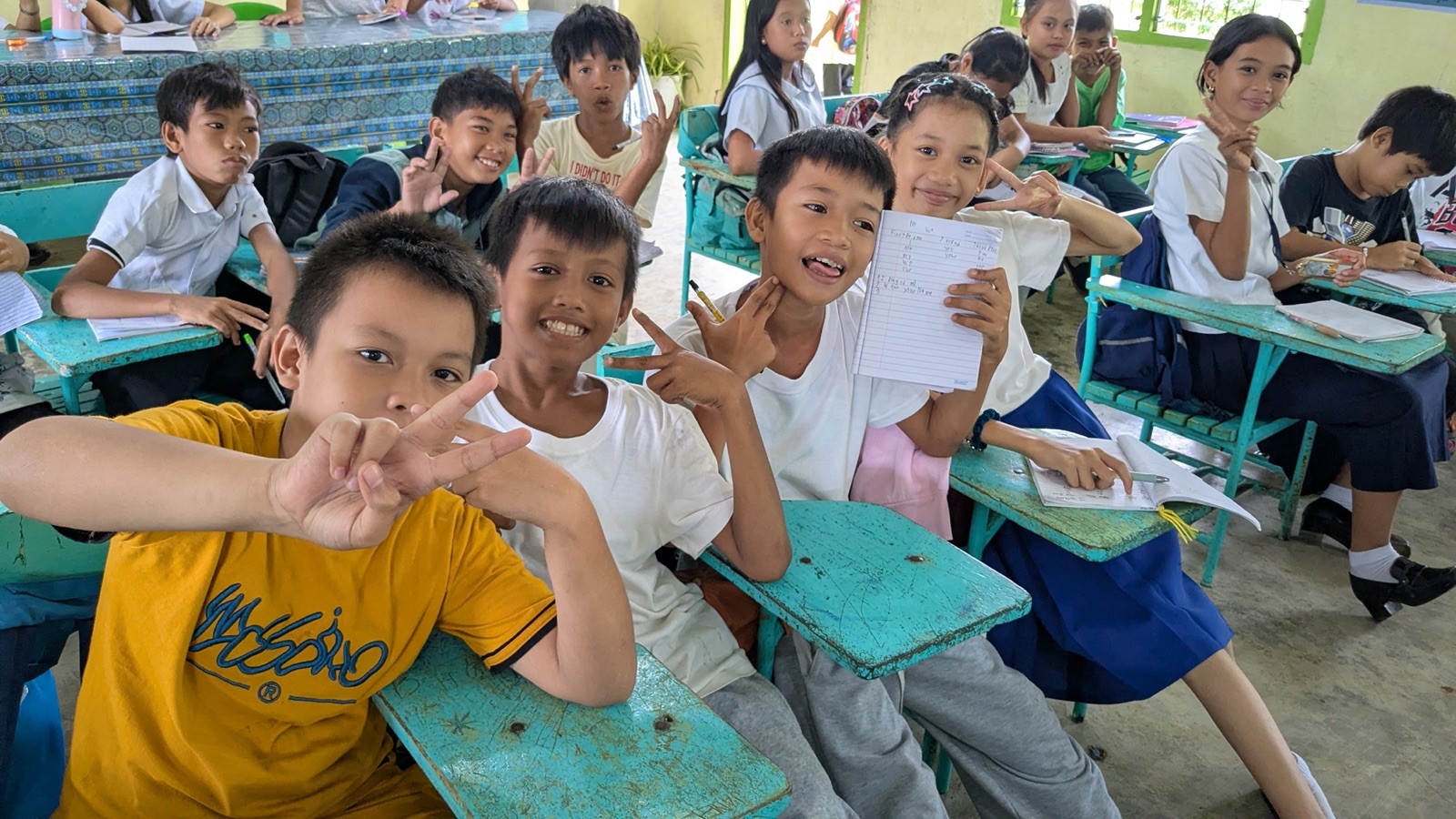
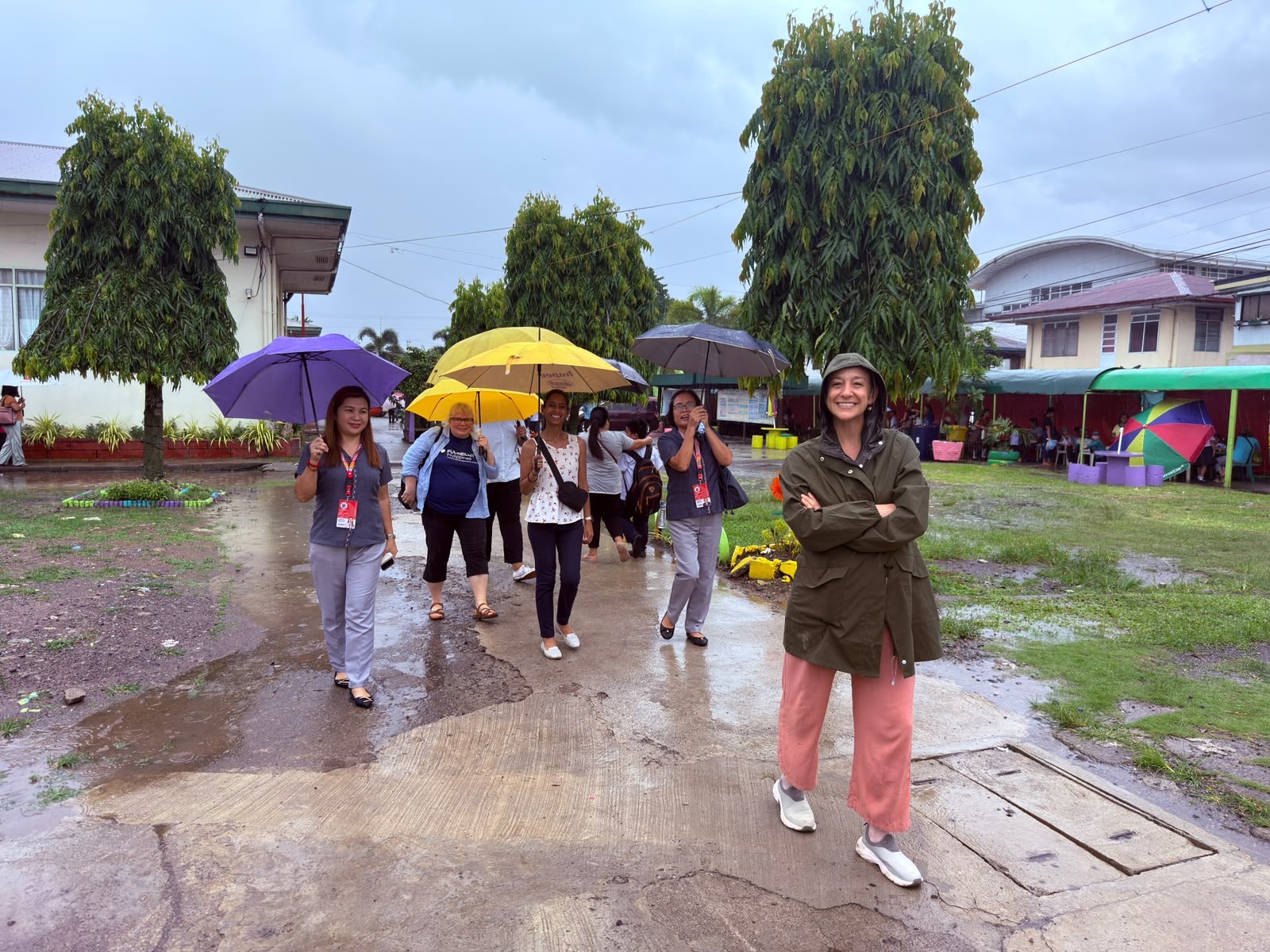
Upon arriving in the Philippines, I took a moment to reflect on what getting into good trouble looks like in a Filipino classroom. I noticed that "good trouble" meant a refusal to accept that something cannot be done. The Philippines is a developing nation with limited resources, and its education system faces many challenges. These challenges are both economic and physical, particularly regarding weather hazards and infrastructure. Yet Filipino educators are resourceful. They do not quit in the face of difficulty.
At the AHA Learning Center, educators, volunteers, and parents work together to provide educational opportunities for those who need it most. The Tondo community in Manila is recognized as one of the poorest and most densely populated communities in the world. These families face many challenges and the teachers serving this community rise to the occasion. By creating a facility next to the community, the obstacle of how to travel for learning, is eliminated. With small class sizes and tutoring services, students are able to improve their reading, writing, and math skills. The teachers at the AHA Center employ an approach called "Teaching at the Right Level". This allows students to work on content within their literacy level. This differentiation is key to helping students achieve real, attainable goals.
Resourcefulness, leveling the "playing field"—these are examples of "good trouble."
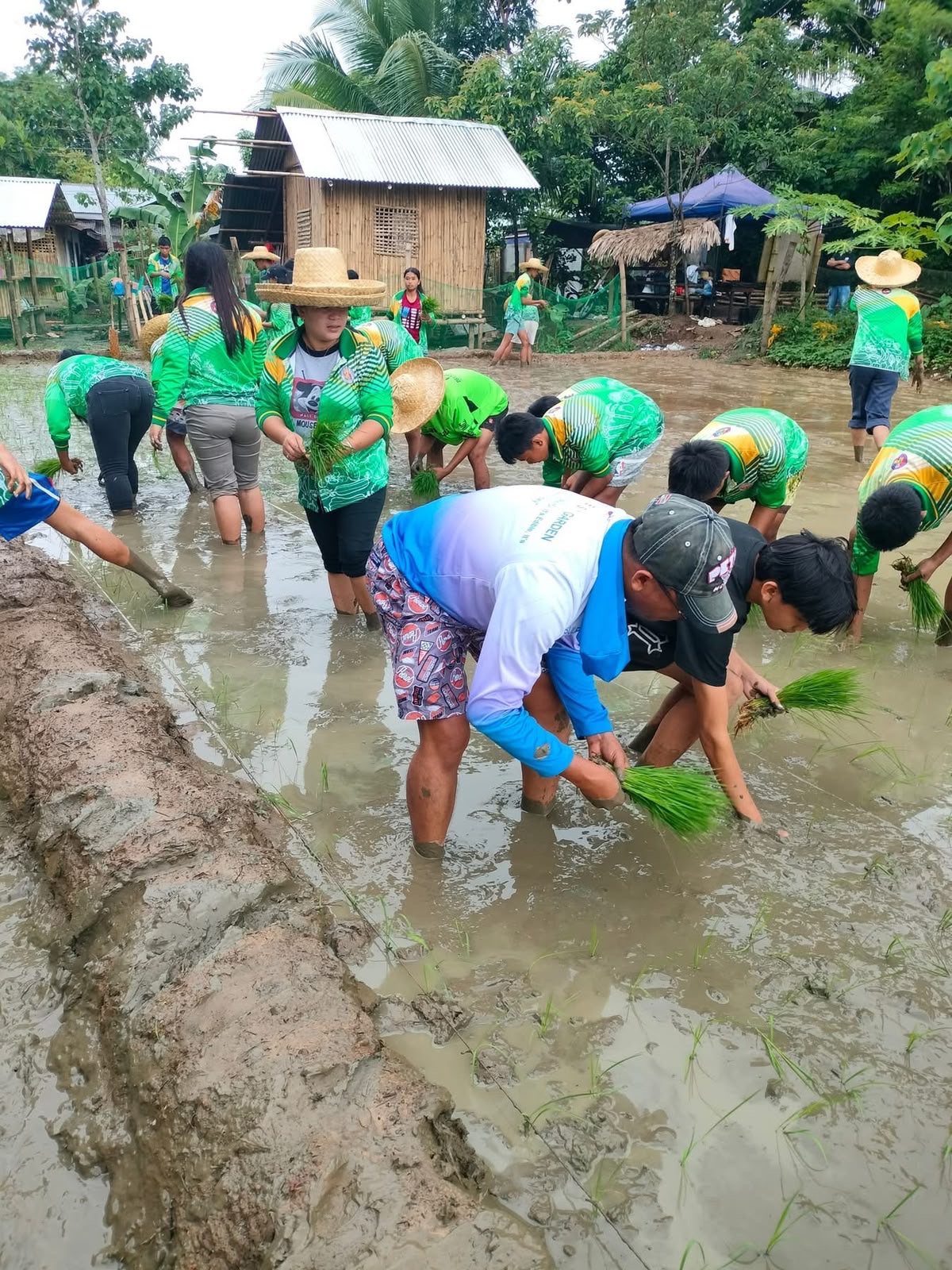
Another example of "good trouble" that I experienced in the Philippines was the notion of creating an educational system that supports the needs of students, rather than a specific governing body. What I mean by that is the Filipino approach to allowing students to choose their own educational path. We visited the Ramon Adriano R. Orozco Farm School, where students can choose to continue their education in farm studies and local agriculture from Grades 7–12. In Passi City, farming is a main economic resource. It is a city of pineapples, mangoes, and sugarcane. At the Farm School, students receive academic credit by learning to farm and developing skills connected to local agriculture, rather than following only a traditional academic path. Once they complete Grade 12 at the Farm School, they can attend university to pursue agricultural studies.
This experience blew my mind. It was unforgettable and something I wish the U.S. would consider as a way to support our local farmers. Why can't we provide educational experiences that support local communities, rather than watch those sectors of a community die out and see a society lose jobs and resources? In this example, "good trouble" is not accepting the status quo of a traditional educational experience; it is people forging a new path.
In Atlanta, I learned that "good trouble" can mean standing for justice in the face of injustice. This is especially important to my student demographic, a school of refugee girls. In the Philippines, I learned that it can also mean adapting, creating, collaborating, and refusing to let limitations determine what is possible.
My field experience in the Philippines gave me another perspective from which to examine my own educational context. As I write this, I also reflect on my guiding question: How do Filipino educational values support student growth and success on a global stage?
I see the values of Makatao and Makabansa reflected in the spirit of good trouble. John Lewis stood on his values and principles of being a responsible citizen (Makabansa) and having compassion for others (Makatao), and he acted on those values. He used his voice. When I marched alongside him, we expressed a united voice. And as educators, we can help young people amplify their voices.
"Good trouble" is not necessarily about being disruptive. Sometimes it is about making space—for another voice, another perspective, another possibility.