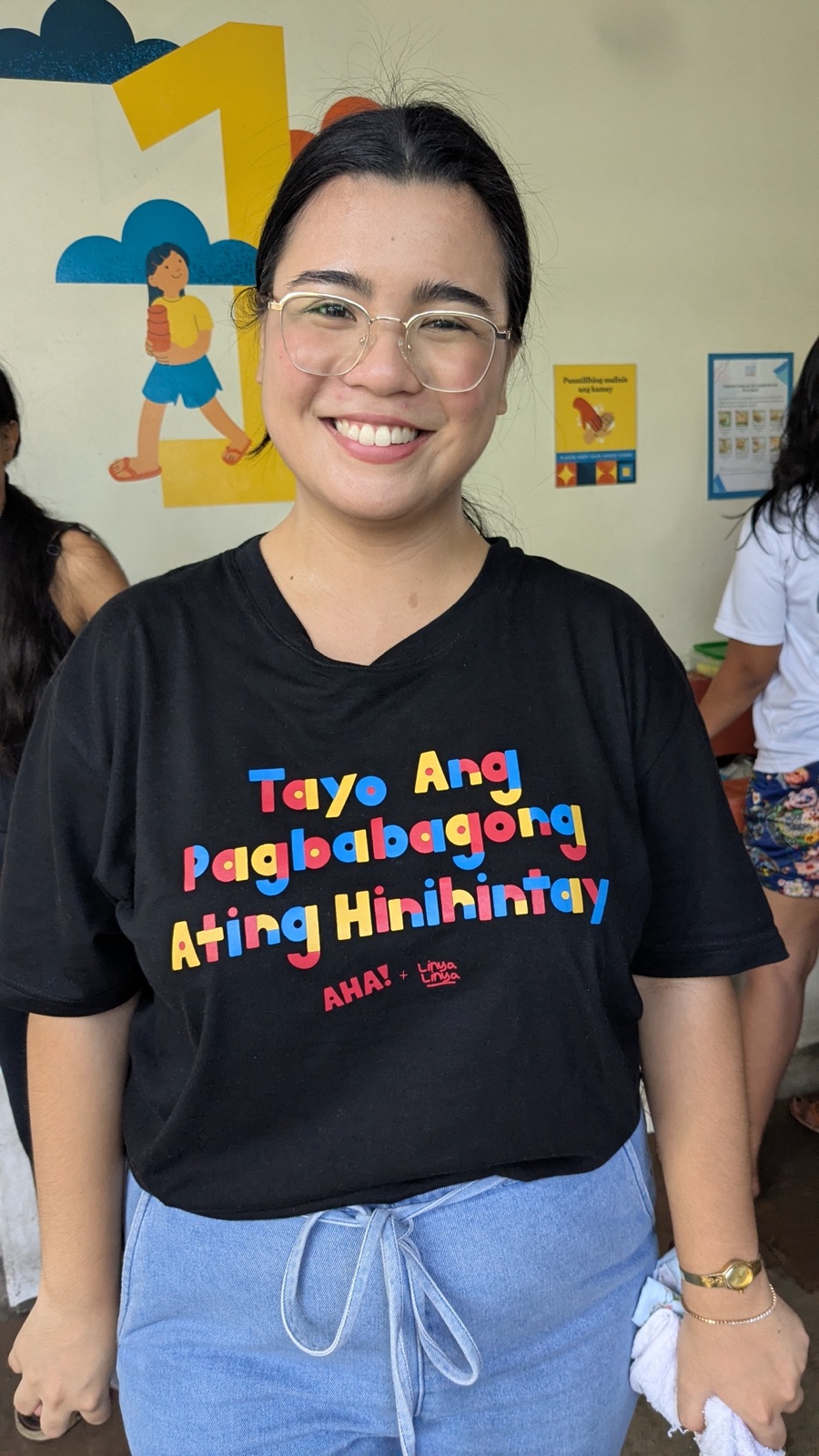
Understanding Bayanihan in Education
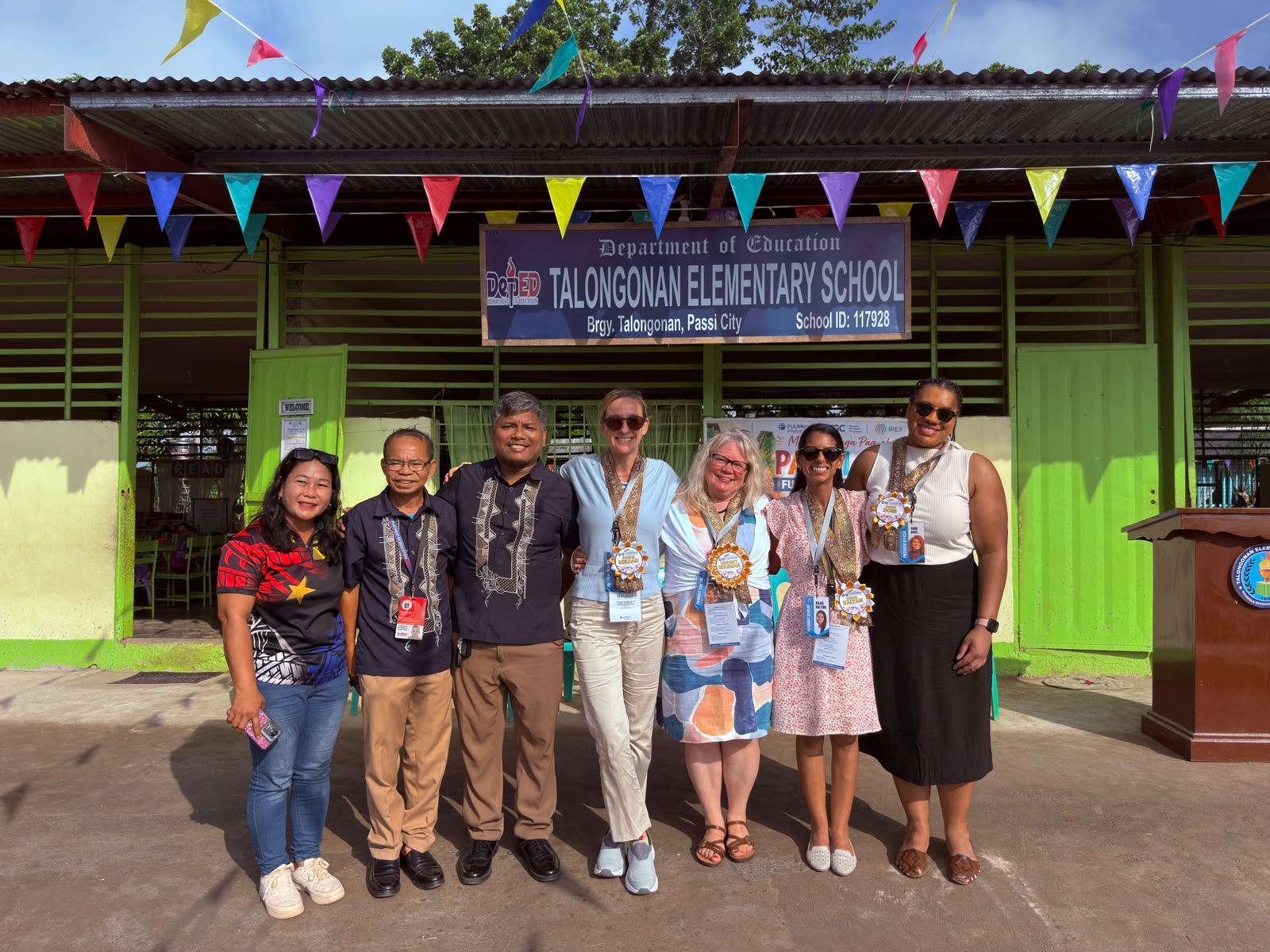
Today, through my cultural visits in the Philippines, I'm coming to understand the importance of bayanihan. It's all about community and building relationships to ensure everyone succeeds. This concept is deeply embedded in both their educational and cultural values.
By supporting each other—whether on the farm, at work, or in their academic pursuits—Filipinos maintain dignity in all they do. My experience with this Fulbright trip has shown me just how vital education is in their culture. I've noticed a recurring theme of educators and local governments working closely together to honor and uphold their educational system.
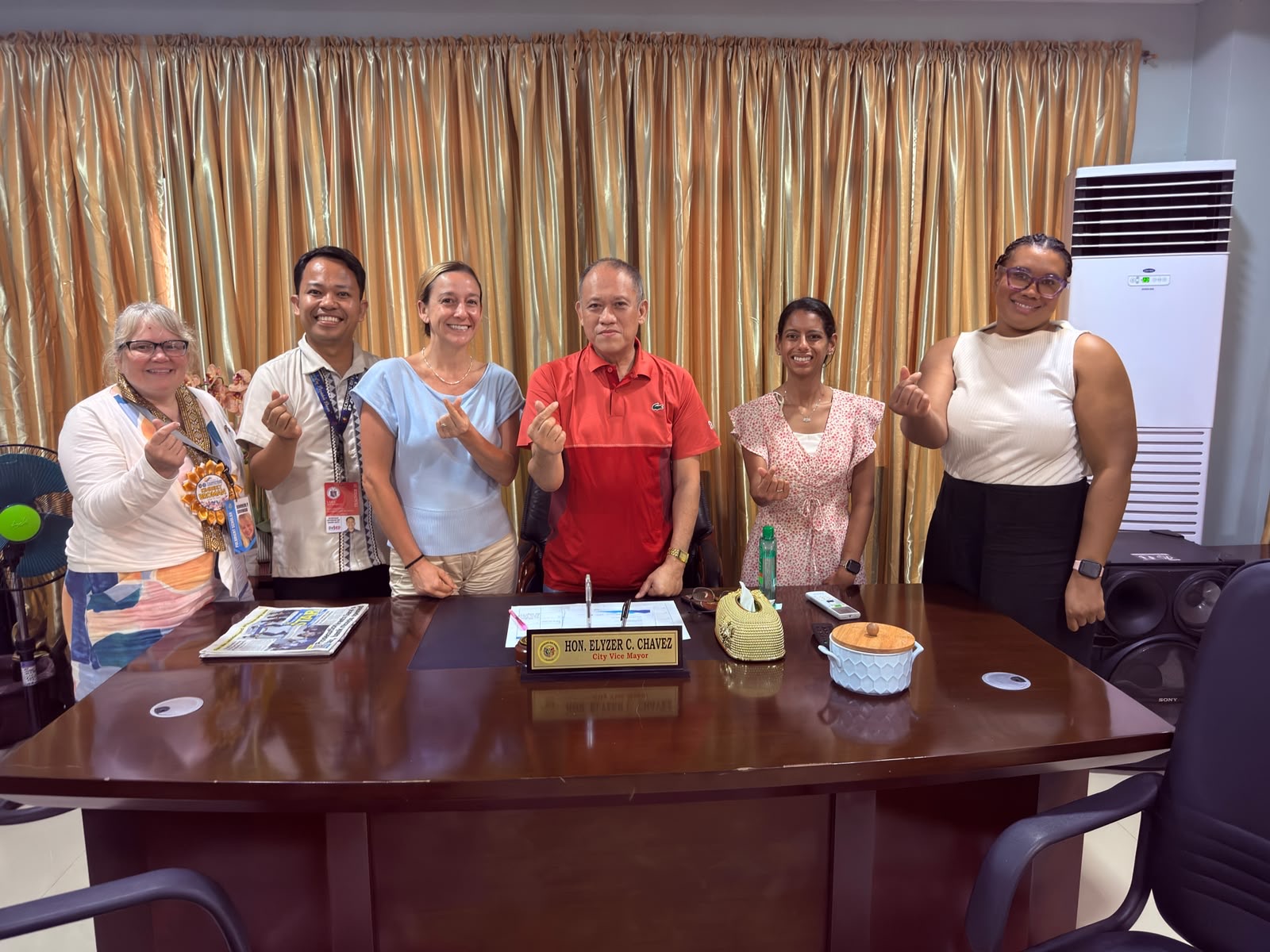
One incredible example of this can be seen in my experience in Passi City. My host teacher, Reymund Lara, works closely with local government officials, and vice versa. I have never seen a local government so committed to education. We had the privilege of visiting the mayor's office and speaking with the vice mayor, Hon. Elyzer C. Chavez. In Passi City, they have a saying: "education is life". Their cooperation and compassion for their community are unlike anything I've seen before.
Mayor Stephen A. Palmares worked to get roads paved so students could get to school despite bad weather. It used to be that roads were washed away during the rainy season, but the paved roads have provided critical infrastructure to maintain safety for students traveling to and from school. The mayor has also donated several vehicles to help transport teachers and Department of Education staff to and from professional development meetings. Even more, the mayor provides a stipend to all teachers in the city to be used as they wish.
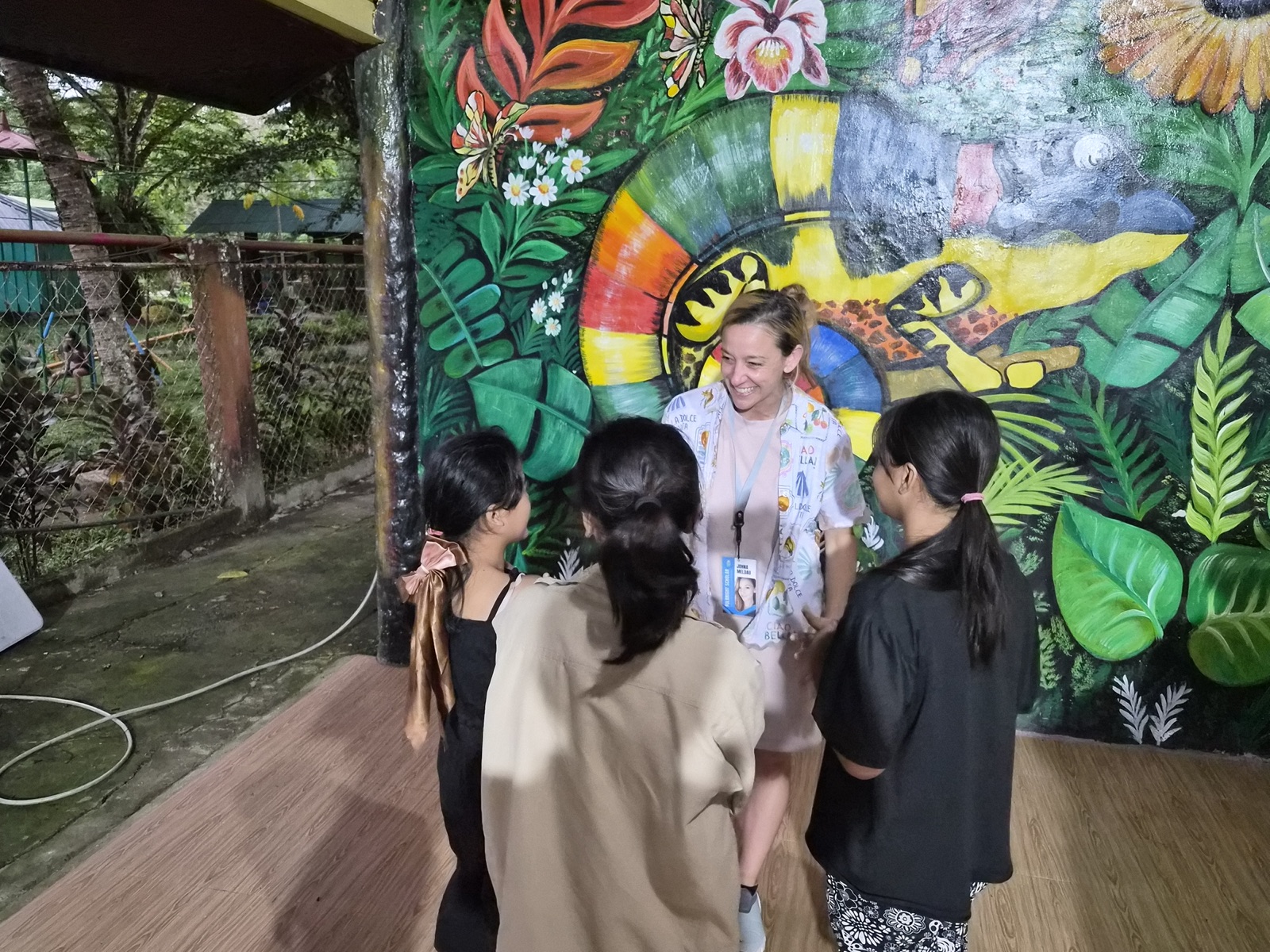
At Talongonan Elementary School, we saw the spirit of bayanihan every day. Older siblings walking their younger siblings to school so they have access to food. An older brother or sister bringing their younger sibling to school because the parents have left home to look for work. These children were looked after, fed, and cared for.
During a PD session with the local teachers, we learned that the biggest challenge their students face is food insecurity. The teachers of Talongonan ES fill this need; they quietly purchase and prepare extra rice. They share a meal with a student. They let a child rest their sleepy head on a desk.
Here, school is safety, security, a child's only meal, and a place to learn.
When I think about the community I serve, my students and their families, this sense of bayanihan pushes me to do more. In the Philippines, bayanihan is more than a cultural concept or an abstract value; it materializes as infrastructure, food, transportation, professional development, financial support, and care for children.