How Educational Values Shape Filipino Schools
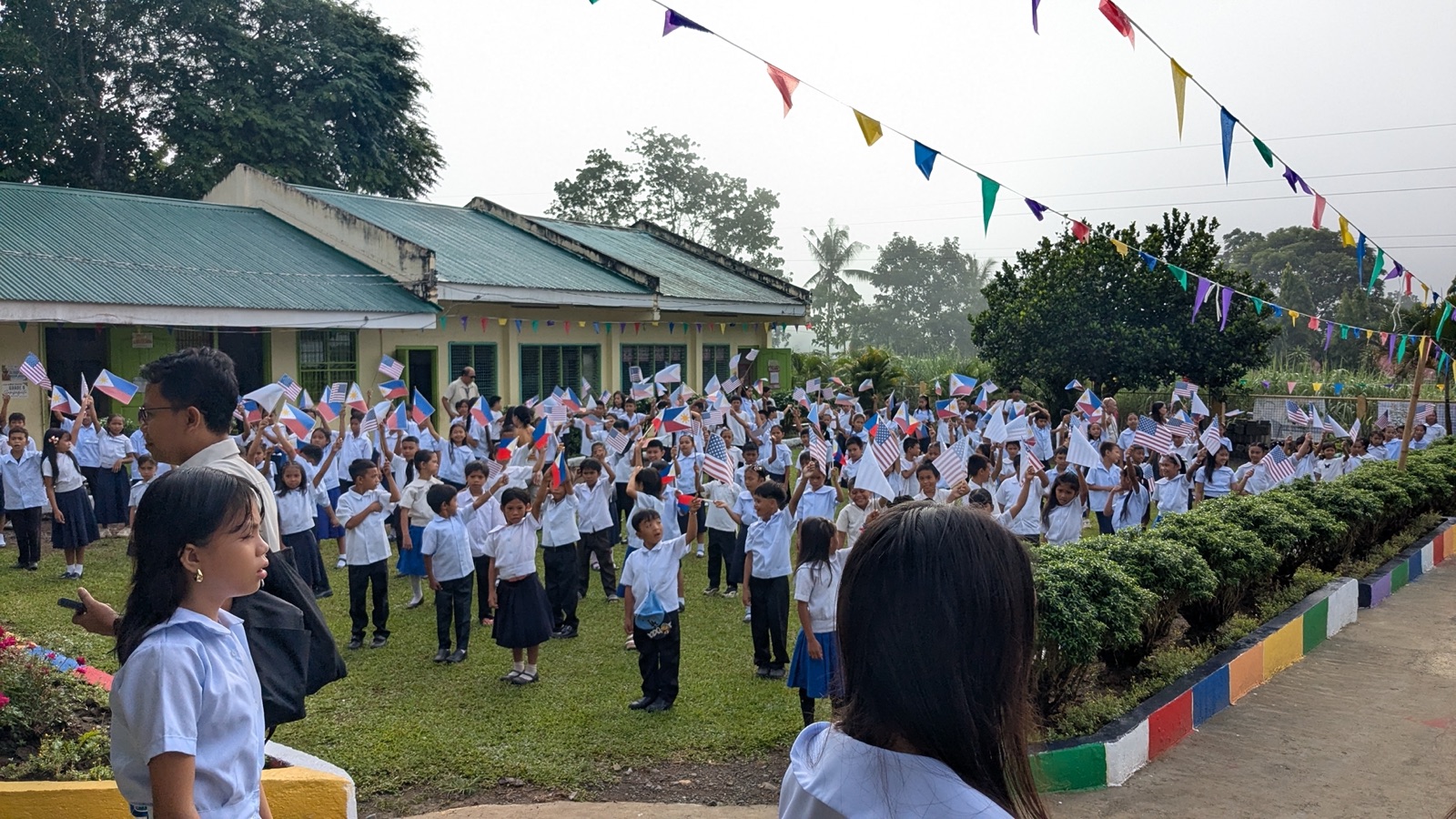
Filipino education takes a holistic approach. It fosters character development, national development, and empathetic citizens. In a country with over 100 languages nationwide and 185 ethnic groups, this small, developing country has created a staggeringly successful English-language learner program. In 2019, the Filipino Congress enacted a Values Education program that focused on direct instruction to develop "good-mannered citizens". The Filipino government notes "fostering the love of humanity," and I think that statement, declared at the beginning of the Act, stresses an important difference in the nationalism we see today in the USA. Other points such as "encouraging critical and creative thinking" also align with the global competence framework.
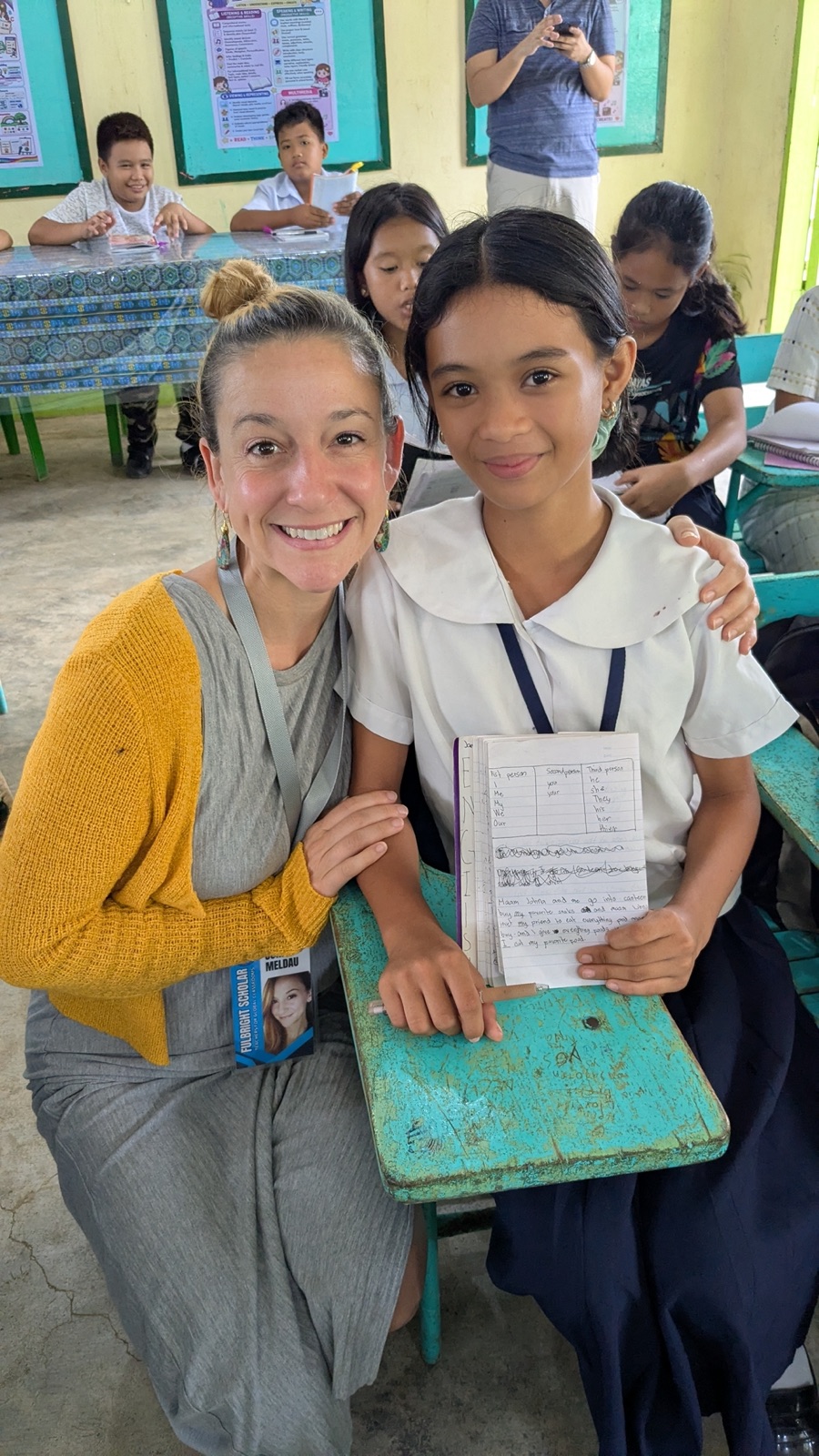
One of the terms outlined in this Act includes Good Manners and Right Conduct (GMRC) defined as "behavior that convey[s] respect to those whom one interacts with." The current environment of name-calling, disrespect, and undermining of higher education has had a detrimental impact on our society, and it is seen inside the classroom and through online bullying, as well as in the media. The GMRC brings back the basics of discourse and dialogue: respect. Another vital element of global education and global competence. This distinct GMRC curriculum is declared to be taught directly and daily in the classroom. These lessons must include "character building activities, role playing, community immersion, collaborative learning activities, and experiential learning," which also align with the global competence framework.
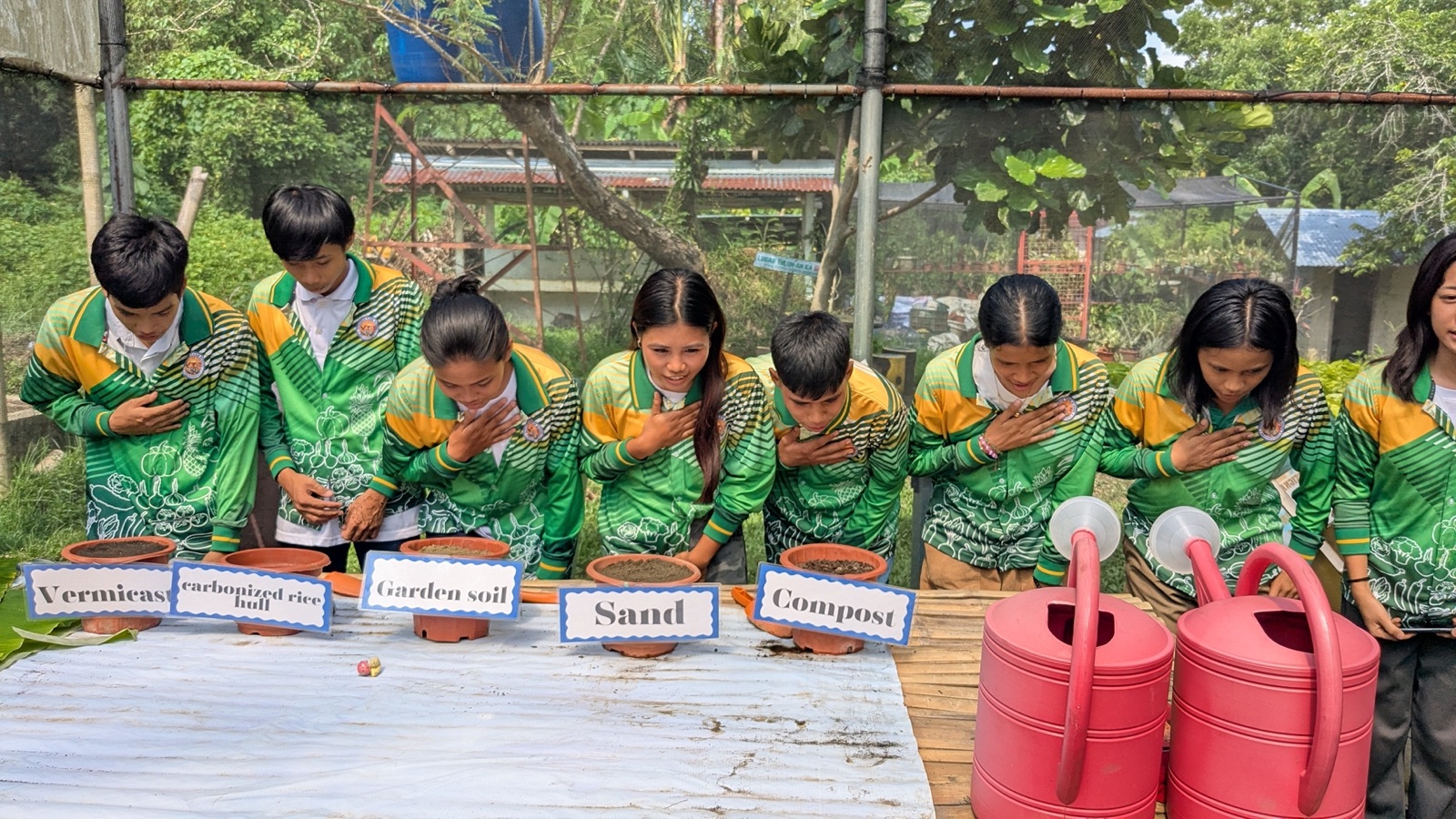
Another key element of the global competency framework is training educators to instruct students. The Philippine Department of Education outlines its responsibilities for training teachers specifically in Values Education. It also outlines the responsibilities of assessing and analyzing the effectiveness of this teaching. Four core values influence the Department of Education in the Philippines: maka-diyos (God-centeredness), maka-tao (humaneness), makakalikasan (environmental consciousness), and makabansa (patriotism).
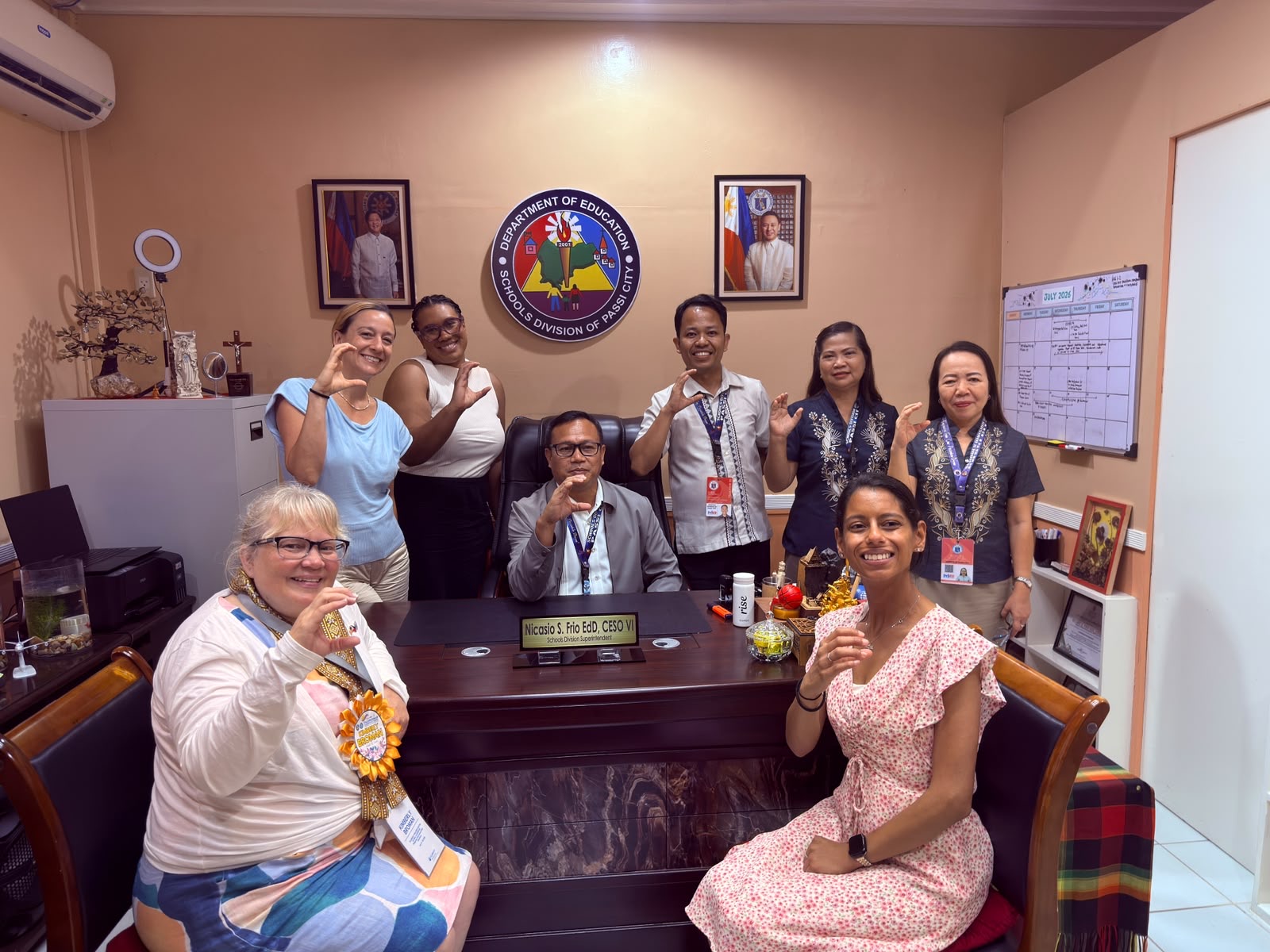
I saw these values shape classrooms around the Philippines. It seemed the heart of the educational system was grounded in these values. During one of our meetings with local leaders, we visited Schools Division Superintendent Dr. Nicasio S. Frio, together with CID Chief Dr. Nescel P. Panes and Education Program Supervisor in English Dr. Ma. Lennie P. Pamposa. During our visit, Dr. Nicasio S. Fio, said: "When I was younger, I originally wanted to be an engineer, but I became a teacher, and now instead of building buildings, I am building the heart and soul of my community." This expression of maka-tao from a high-ranking government official was a breath of fresh air. We learned during this meeting that Passi is also one of the fastest-growing communities in the region. When you show love and care for people, and you invest in their futures through education, you can see a whole community uplifted.